This is the time of year when most military families are on the move. They are going through what is called a Permanent Change of Station (PCS). What this means for anyone not affiliated with the military, individual soldiers and families are moving. Moving to a different town, state or even country. PCSing is filled with many emotions from excitement to sheer dread. Since we as humans have the amazing ability to verbally communicate and rationally plan for a major life change, how does you’re furry friend cope with moving? How does your furry friend relocate?
The answer; depends on your moving disposition and strategy. Our pets depend on us for guidance and for a general sense of the world that surrounds them. If we’re angry, agitated, anxious, you better believe your pet will feel those emotions and probably have some behavioral issues. If we are calm, have good coping mechanisms, your dogs will feel more relaxed and generally go with the flow. During times of transition, remember to find some relaxation. This will benefit you, your family and your pets!
Since Eddie and I have done overseas moves with Jack, we’ve learned a few things. Even if you, the reader isn’t involved with the military, there are some good moving tips you may also find useful.
Before moving to El Paso, we lived in Bavaria, Germany. We loved living in Europe and became accustomed to the life style. We lived in a small farming community, so the quality of life was quiet, laid back and free from the demands of what’s new and the perceived need to have it. We created a life there. We had a good group of friends, I established myself in a job and we had amazing opportunities to travel. Then Eddie received orders to move to Ft Bliss in El Paso.

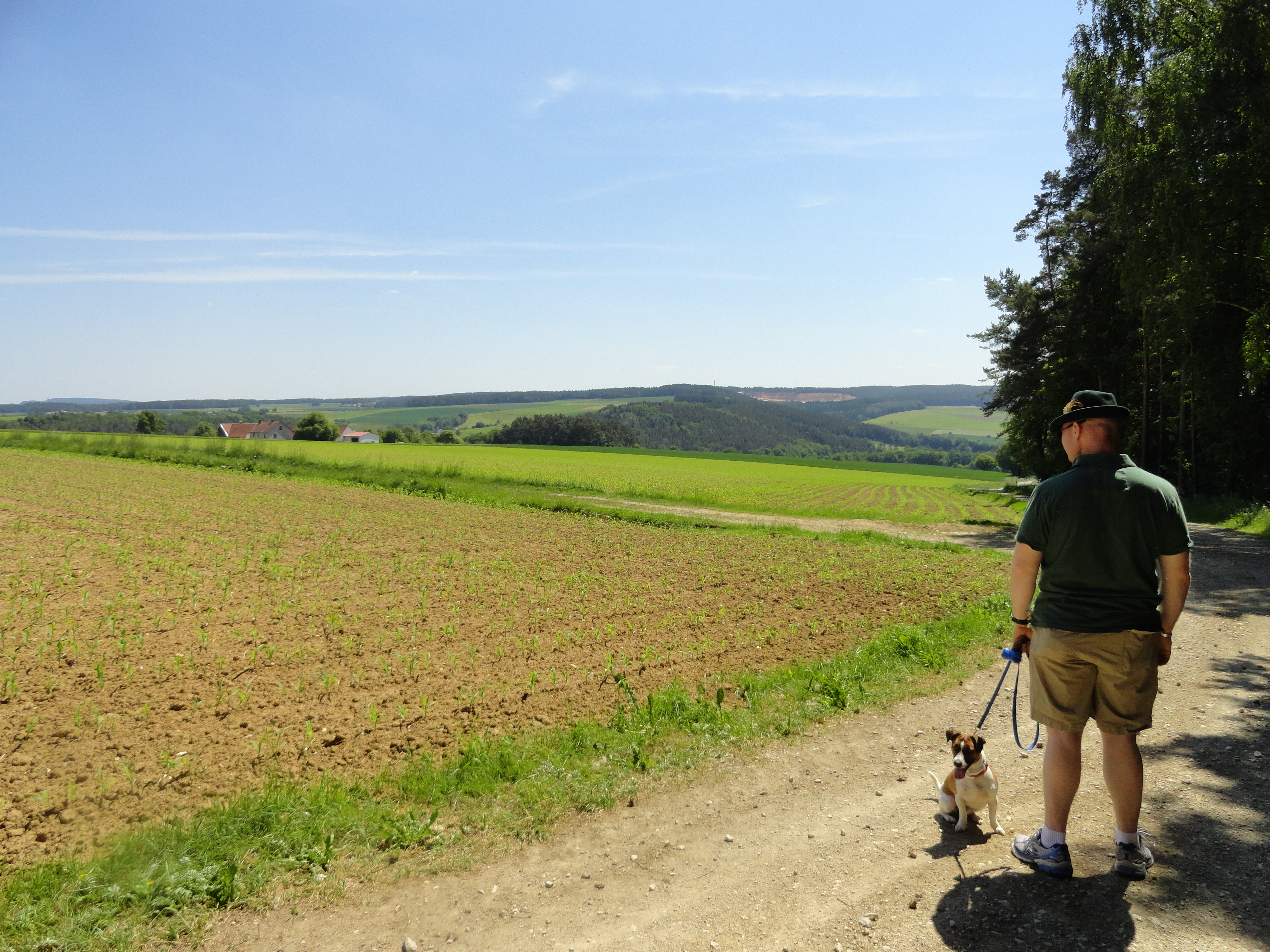
This wasn’t the best news to hear. I was pretty skeptical about moving to West Texas, moving back to the States and once again resettling into a new way of life. I chose not to lament on the what ifs because there was so much organizing and planning that needed to be done to have a successful PCS.
I found the best way for me to get organized was get a binder. If I learned anything from my formative school years was using a binder complete with dividers and document protectors helped me organize school work, but it also proved to be a useful tool in my adult life. I put together and chronologically organized all of our health records, our car information and its shipment paperwork, taxes, shipment of all of our household items, and anything else I felt needed to move with us. Along with our important information, I made sure I had several copies of Jack’s vaccination records, microchip information which I registered with AKC Reunite and began researching transportation options for Jack. I often hear of military families finding new homes for their pets because they didn’t plan ahead. It will take some money to move your pet with you, but the financial piece can become a non issue if you plan accordingly and ahead of time.
We adopted Jack while in Germany. In Europe, pets get their own EU passport which veterinarians can put vaccination stickers showing when vaccinations were administered. This is fantastic. It consolidated the paperwork and it made it easier to ensure I had everything in one spot for him. All I had to do was supply a copy of his passport. I adhered his paperwork to his crate, so any custom or airline agents can easily access them and Jack wouldn’t get caught up somewhere in between.
Eddie and I wanted the most comfortable travel arrangements for Jack. We were moving to Texas during the summer, so I knew there could be an issue with flying with Jack when he had to fly with baggage :(. Jack was just too big to fit under the seat in front of us. We also discovered airlines won’t fly with pets in baggage if the ground temperature is too hot or too cold since many airplanes aren’t equipped with temperature control in the baggage section of the plane. We were lucky, we flew with Lufthansa which was equipped to carry animals and we had a direct flight from Germany to Texas. Lufthansa also had a pet space at the Frankfurt airport where he could stretch his legs and go potty. I was so grateful Jack traveled with us. Since he’s high energy and relocating to somewhere unfamiliar, I wanted him with us to ease any frustration or anxiety he may feel in the process. As a plan B, we found Pet Express. They would pick Jack up at home and get him to our final destination. They also would keep him company if he arrived before us. Now, I see there are many more pet travel services available, so make sure the one you choose not only has the best price, but more importantly has the best interest of your pet at heart.
The last piece of the puzzle in transporting Jack was obtaining a health certificate for him from the veterinarian. The health certificate demonstrates your dog is free from disease and can safely travel to another state or country. In our situation, since we were traveling from Germany to the US, Jack’s health certificate was required to be in both English and German. We were grateful, our local vet was able to do both translations, so we didn’t have to wait on receiving a German version. In most situations, the translation can tack on time extra time from when you request translation and when you receive the document. Remember, take a copy with you and adhere a copy on your pet’s crate before you separate for the flight.
During the time we were shipping our home items and making final arrangements to move back to the states, we kept a regular routine with Jack. We ran every day. Not only did exercise keep a routine with Jack, but exercise alleviated stress myself and Eddie felt while living in transition. This in turn kept our anxieties mostly at bay which left Jack feeling rather settled. He didn’t show any behavioral issues before, during or after we safely arrived. Actually, when we picked him up in baggage claim in Dallas, he was resting comfortably in his crate alongside a cat in the next crate! We continued in our training and working on basic obedience. We wanted him to have good manners while traveling outside of our care. We made sure he felt secure in his crate and gave him some items from home that were safe to be inside the crate with him.
It takes a ton of mental energy to efficiently schedule movers and to actually get yourself and your pet safely to your final destination. With careful planning and keeping a fit mind and body, any transition will appear seamless!


 Four Paws & You Dog Training