Sometimes what your dog’s behavior is showing you, is confusing and you don’t know what to do.
The confusion gets you stuck and you become so focused on the problem all you see is a dead end.
The feelings about failure and shame bubble up even before you take any action.
Your gremlins start running the show because they whisper in your ear, you can’t handle this.
Before you give up, a part of you recognizes, you’ve been here before.
You know what its like to encounter a problem and you figured out solutions before.
You start to feel an openness in exploring solutions because your commitment and dedication to your dog and his welfare and wellbeing matter to you.
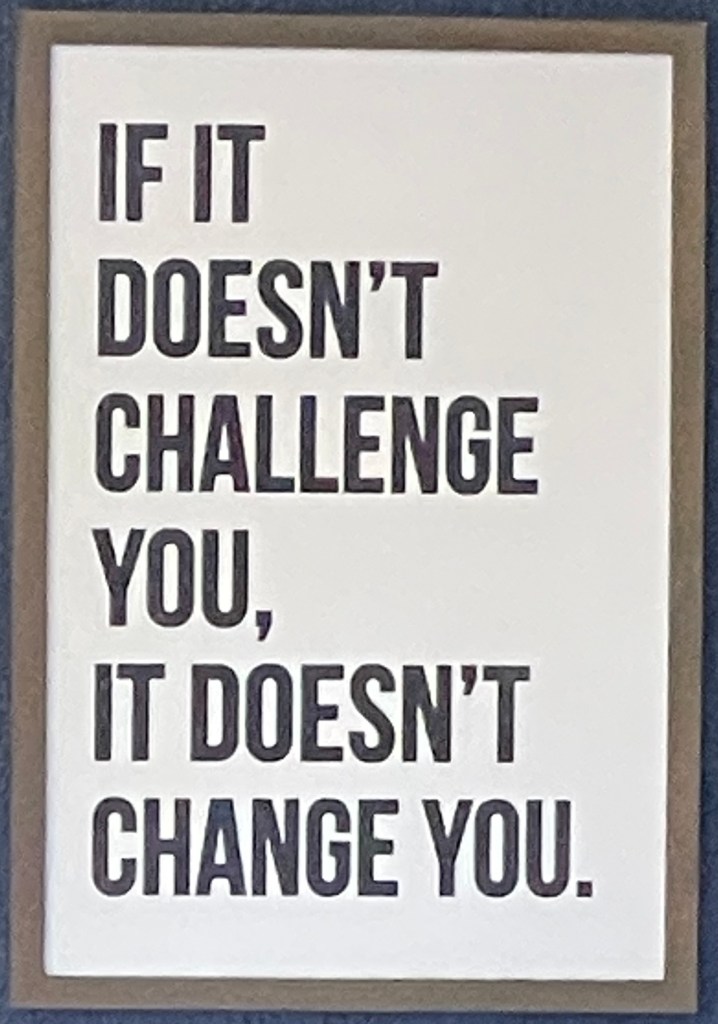
Challenges are meant to expand ourselves, not to defeat us.
Digging a bit more, trusting yourself and holding on to knowing you can also figure out how to handle whatever comes your way will not only change you, but it will bring you closer to the relationship you desire to have with your dog.
Receiving support along the way can motivate you to keep going when moments of wanting to give up creep in again. Your willingness to keep going is what makes the difference.
Schedule a Discovery Call to see if partnering with me will encourage you to keep going.
When you’re sensing something needs to shift in your life, you start cultivating a desire for something different.
Your motivation grows from a deep sense within you of a goal you want for yourself.
You stoke these fires with seeking out information of how to do what you desire.
You research and check out what’s already out there and the ripples of learning expand out from you.
Taking action in acquiring skills helps you practically apply the knowledge you acquired.
Sometimes the practice is fluid while other times, you may feel like you’re trudging along and you may even feel like you’re not moving forward at all.
This is where holding on to your motivation, recognizing how this is just part of the process, you let go of your expectations and judgment of what you’re capable of doing.
Recognizing and shedding light on shame or fear that tries to derail you, helps melt it away, so you can get back to integrating the learning into creating your own habit and personal change.
When you recognize how fear shows up and how this filters your views, you can deepen your awareness of yourself rather than blaming yourself for something not being perfect or when hiccups show up in your process.
Instead, you can receive feedback and the ripples of how you learn and change, allows for others around you to see you for making these strides for yourself and dare I say, inspire them to make changes too?
Prioritizing your growth, requires you to be reflective of what’s no longer working and being willing to step into something requiring you to trust in yourself and in what you do.
When you’re experiencing things going wrong at home with your dog, you feel let down, confused and even ashamed.
Shame that you feel like you’re failing yourself and your dog because you can’t figure out what to do.
I’ve been there and it sucks big time.
What is helpful to get you to the other side of the sucky situation is cultivating a sense of hope.
Hope isn’t an emotion, but rather a way of thinking which you can learn to strengthen so hope can do the heavy lifting when things go wrong.
According to research, hope is created with “3 components, namely, an objective, routes and agency”.
What does this mean and how can you cultivate more hope in your life.
First, you want to establish a clear goal. You desire to have a trusting and secure bond with your dog, breaking this down into tangible objectives can guide your choices in how you get there because your values are aligned with how you want to feel with the goals you set for you and your dog.
This can look like setting aside time to practice skills like leash walking which builds connection between the two of you.
It can also look like spending time playing and offering games your dog enjoys and when you observe your dog finding pleasure in the activities, you get to receive satisfaction, joy and even contentment from finding things your dog loves to do.
There are several ways to do this. You can schedule time in your calendar to spend time with your dog or you can tap into how you want to feel when you’re with your dog and allow the desire for connection and the feeling of love for your dog drive you to spend time with him or her. Trusting and following your inner wisdom can also guide you into living with a deeper sense of freedom within your relationship.
Secondly, the routes to your goals. These are the pathways and the action steps you take to get you closer to your desired goal. The notion here is there isn’t one pathway, but being able to remain flexible and adaptable to what’s showing up and how you can align with the path that fits for you and your dog in the here and now.
One of my clients in a previous session experienced a roadblock with their dog not wanting to lay down on the deck or the grass. It was really confusing for my client as her dog can do this effortlessly in the home. The pathway she was working wasn’t working and together, we creatively came up with alternate routes to help her dog be successful.
An alternate route was practicing mat work outside. My client and her dog, Callie spent a great deal of time working on the relaxation protocol and moving the practice outside was a no brainer! When my client remained flexible to changing things up and practice the mat work outside, voila! Callie was more comfortable laying down on a mat with ease.
Lastly, agency in the process is necessary. This means your ability to maintain your feeling of what you can do to change, shift or take action towards your goals. When you feel empowered to moving towards what you set your sights on, you are expressing your motivation in moving forward.
Being flexible and coming up with alternate routes when you experience a roadblock in your progress and forward momentum strengthens your motivation and drive to reach your goals.
When my client created a different path to encourage her dog to lay down outside, not only did she experience her dog having success, but she also strengthened her resiliency to find alternate solutions, so she too can be successful.
Through this experience, she strengthened her sense of hope that she can achieve her goals she sets not only with her dog, but in other aspects of her life as well.
Receiving support as you set goals and take action can help you through creating alternate pathways to reach your goals, strategize how to establish micro goals and to celebrate with you when you find your wins along the way.
Reach out if you would like support as you reach for the stars:


 Four Paws & You Dog Training