Build Rapport with Your Clients

We all have our lived experience shaping how we interact with the world around us.

When our clients are struggling with their dog’s behavioral concerns, they are left feeling confused, frustrated or even worried about what’s going to happen.

For sure they don’t want the issue to get worse, but they are also inundated with conflicting information which doesn’t leave them feeling confident in how they can address what’s going on effectively.

This is where you, the pet professional comes in.

Most often, you’re the last resort.

The pet parent is relying on you.

Establishing the client relationship is a delicate balance of being supportive as well as grounding the client in how they choose to implement training protocols and management strategies as a lifestyle routine.

None of this is easy.

But, it can happen when the rapport between you and the client is established allowing for harmonious communication to flow through you all.

Here are useful strategies in starting off the client relationship on the right foot.

  1. Remember your client’s (not just the dog’s names!) This helps you connect with the person in front of you.
  2. Find common ground. As a pet professional, you most likely went through some struggles and were determined to find answers. You also felt worried or had other concerns about what your dog was experiencing. Remember, you clients are in the same boat! They sought you out for answers and your own experience can help you get into the shoes of your client.
  3. This leads me to say, remain empathetic. People are really struggling and in order to help the dogs, you must understand where the person is coming from too. Even our ideal clients struggles. Understanding how to reach your clients in the way you’ll be received and seeing that satisfying their need to be heard and understood will help you, help their dog. The human-human connection is vital for change.
  4. Mind your body language. When you’re active listening, make sure to give your full attention. Nothing says, “I don’t care” when attention is taken away by being distracted or not giving eye contact to your client. But also, don’t stare!
  5. Active listening is vital to the client relationship. Being able to hear the emotions under the words being spoken and reframe these sentiments to your client. This can help your client be heard. In many situations, our clients may feel alone as others in their inner circles don’t understand their struggles. Be the person who understands and reframe their beliefs can help you connect and get at the heart of the matter.

Start Your Journey Here!

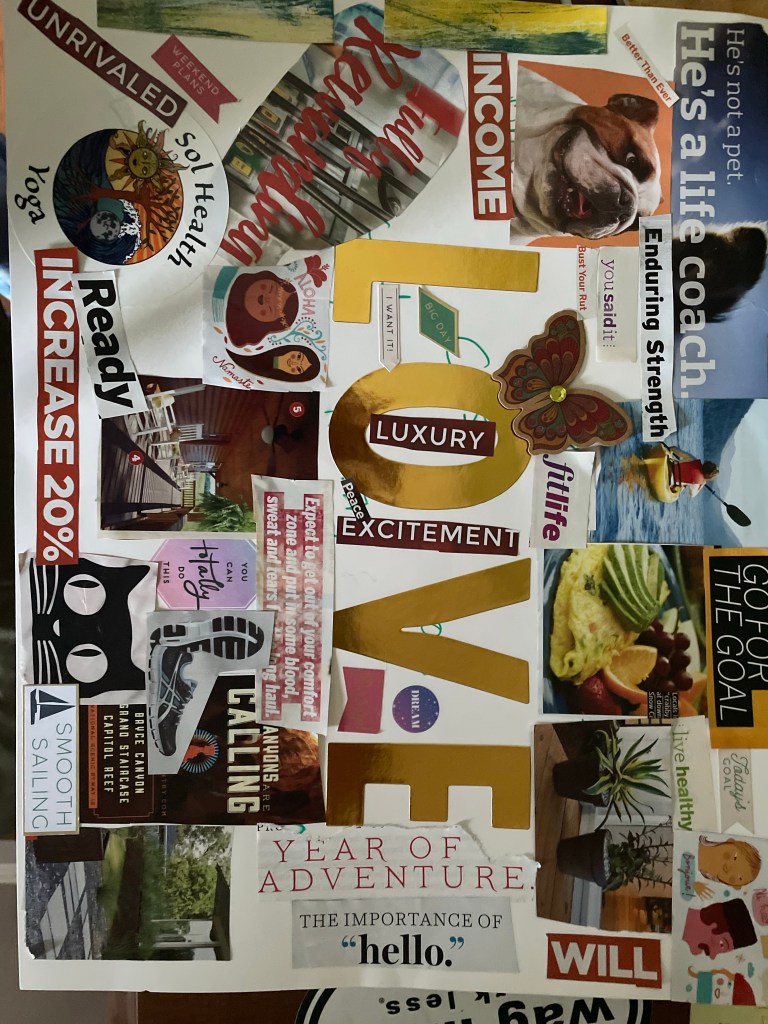
Lots of laughter and reflection during the Visualizing Your Dreams Workshop I hosted last Saturday.

Now, you can participate on your own time, the workshop was recorded and now is available for you too!

Giving time for reflection is allows you space in getting clarity on what you want most and you can create a road map which allows you to see your goals on a daily basis.

As my students learned during this workshop, the mind doesn’t discern between reality or imagination.

When those mental images are created in your mind’s eye and you visualize what it would feel like to accomplish your goals, what it would taste and smell like to achieve what you wanted the most, your mind and body are working together.

Your goals become integrated with how you experience your world.

As you continue your practice of daily reflection on your goals, you raise your consciousness of where you’re going.

The daily life worries take less of a hold of you because you’re more clear on where you’re going.

There’s no more room to waste time or energy on the what if’s in life, because you’re staying present in the moment and this is where you can apply your attention and focus on taking the steps to your goals.

When you see what you want to achieve every day, there’s no room to allow other distractions to filter in and derail you.

All you need to get started in living more in alignment with your goals:

  1. Set aside each day for a practice of reflection and gratitude.
  2. Review your goals and create milestones which are specific and time limited which lay the path toward your goals. These will keep you accountable and help you to remain laser focused on what you want to achieve.
  3. Share your goals with others you trust. By sharing with others, you have others who can support you and keep you accountable when you feel overwhelmed. We all need support and having a shared experience with others can provide you a lift when you need it the most.

Only you can prioritize what you want in life.

Taking action starts with you!

Map Out Your Future

I was getting ready to head over to meet a client and I found myself typing their address into my phone and being offered several ways of getting there with their estimated time and if there were hazards along the way.

The choices all had different obstacles requiring me to weigh the pros and cons of which route to take.

Take the faster route, but I can already see stopped traffic indicated with a hard red line or do I take the longer route, but being short on time and run the risk of being late to my destination?

The map is clear and defined.

It lays out all of the ways from point A to point B.

So many considerations in how and when to proceed and what you may experience along the way.

Some of it can be frustrating (like a last minute lane closure) or it can wind through beautiful scenery which expands your gratitude.

Without the map, you’re lost in getting to a new destination.

You’re left worrying how you’ll even show up because you are unable to see what your options are in taking the journey in arriving to your destination.

You may doubt yourself and feel stuck and left without options.

Lacking clarity leaves you ruminating on all the “grass is greener” scenarios.

You waste your time wondering about what to do, when you can make the choice in visioning on where you want to go right from the start.

Creating a visual representation of what you want is your map of what you want.

It’s a concrete way of laying down all of your options for what you want to achieve and it provides you a visual representation of where you want to go.

When you create a vision map of your goals, you can then start planning out on the routes you want to take to get to your destination, regardless how long the journey takes you.

The first step is creating your vision map, so you can start seeing what routes show up for you!

Register for the Visualizing your Dreams Online Workshop!

Event: 26 February @10am PST!