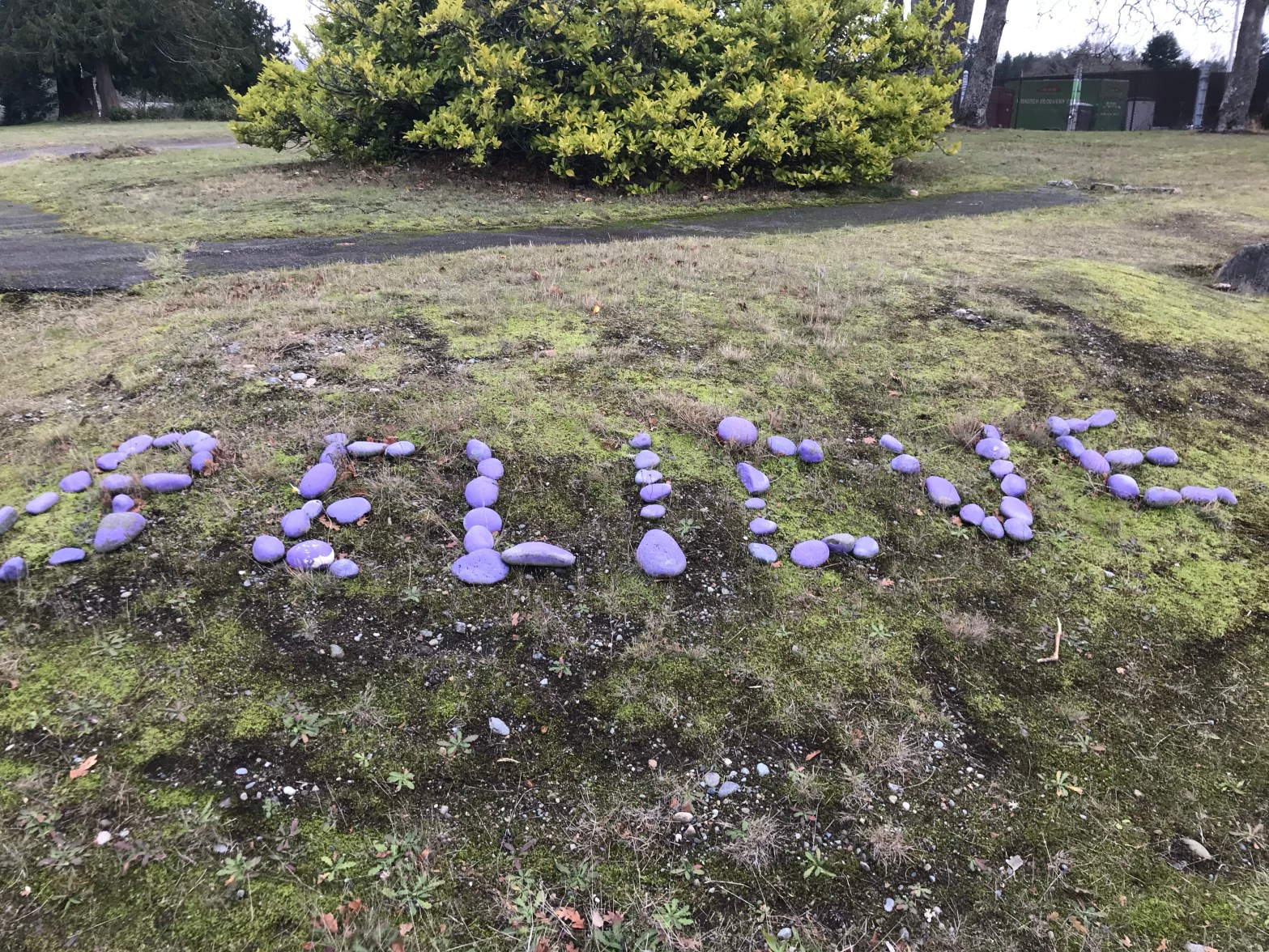
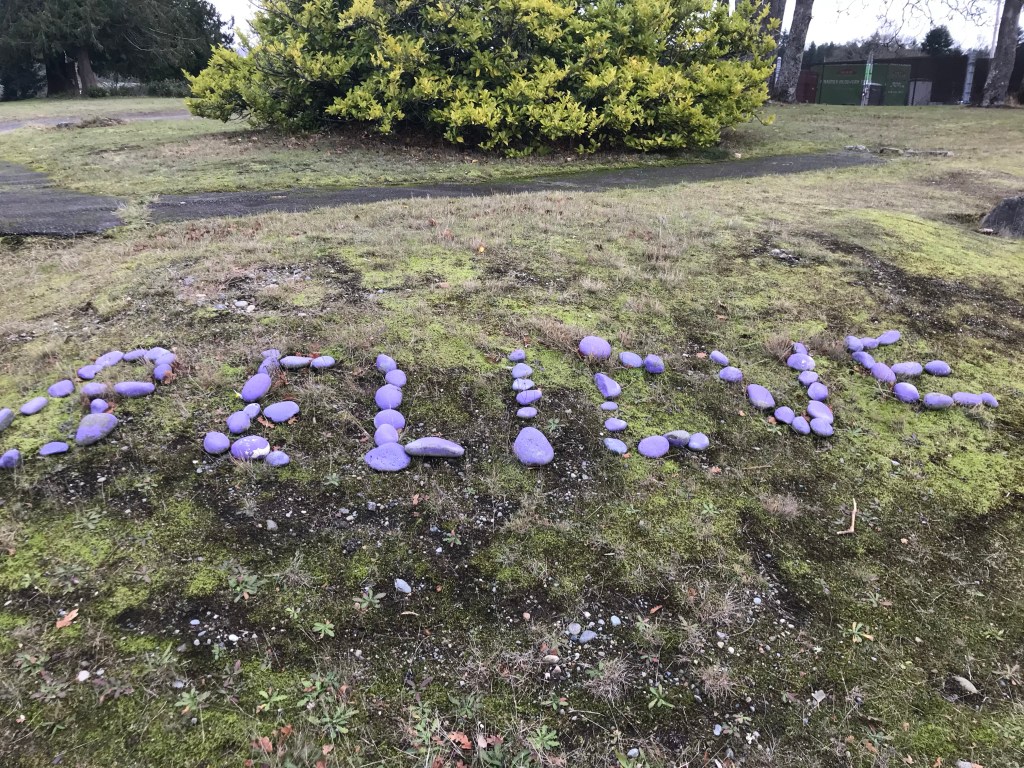
You can’t BELIEVE how many times I saw this little word the other day.
Yeah, yeah, I know, this time of year is all about believing in the magic of the holidays.
Yes, confirmation bias is a real thing-you see the things you want to see.
But, why not believe?
Why not have undeniable hope for your future. For your dogs.
This word made me think of you.
You who are struggling with your dog not paying attention to you.
You who are frustrated with your dog freaking out on a leas wat whatever comes by while you’re walking with your dog.
You who are finding yourself edging up against the rage of your dog not “listening to you” and you can’t take it anymore.
I’m here to say, you’re not alone.
I’m also here to say, your relationship with your dog can change which will result in you and your dog going out for walks together and experience enjoyment instead of frustration.
Ultimately, your dog will CHOOSe to be with you, so you both can go about all the adventures you had planned when you brought your new bestie home with you.
All you need is first, take a leap of faith and BELIEVE change is possible.
Once you have a glimmer of hope you and your dog’s life can change for the better, reach out for holistic support and training.
“Good habits happen when we set ourselves up for success.”
Sound familiar?
While this article speaks to the reader about creating health habits, as a dog trainer, I see creating habits in concert with our dogs.
Adding or changing habits require deliberate practice and consistency.
When clients call for help with their dog’s behavioral issues, I share with them about all the pieces needed to accomplish their behavior change goal.
The thing that often stops clients in their tracks is creating a routine with consistent and frequent practice.
Change doesn’t have to be a challenge!
I often share, practice can easily fit into your already established routine. According to this article, habits is best accomplished by building them into an already established routine.
Makes sense!
Your dogs need you to help them.
Here are some quick and simple activities you can build into your routine which doesn’t require huge commitments, but does need your interest and participation for it to work!
1. Add some training and enrichment into meal times. Get rid of the food bowl and you become the meal dispenser!
Make a burrito towel. As for a sit/wait (builds your dog’s concentration) and fold a towel lengthwise once. Roll one side once. Sprinkle some food where the roll meets the flat part of the towel. Roll again. Repeat!
Say the release word (Ok for example) and watch your dog unravel the towel (enrichment).
2. When taking your dog outside in your yard for a pee break, take high value rewards with you. Praise and reward when your dog eliminates. Also, say your dog’s name and when your dog turns his head to look at you, praise and reward. Now you’re working on strengthening name recognition. Also, when your dog starts trotting over to you, now you’re working on recall.
Simple.
This also helps your dog stay connected with you instead of being hugely distracted by all the goings on outside of that fence 😉.
3. Help your dog love when you leave. Or, maintain this love with regular practice. This is when you know your dog made it a habit!
Practice playing Find It. Once your dog understands the cue then when you’re leaving ask your dog for sit/wait. Go and sprinkle some rewards around your home. Come back to your dog and release your dog with the Find It cue. Then you can head out the door when your dog goes on a search!
Your dog will be rewarded every time he finds a little piece of goodness.
Words give meaning and are a reflection of our feelings and expectations.
This is especially important when we are helping another living being understand what we are trying to communicate.
Outdated training centered on discipline, demands and no room for error, the teacher uses commands.
Commands are dictatorial, one way and focused on doing the right thing always. If the dog makes the wrong choice, the dog is bad and there is no room for the pet parent’s role for teaching.
“Do x or else, you’ll be punished.”
Most often, dogs who experience this type of training are always motivated by avoiding punishment.
Avoiding a tug on the collar, avoiding a shock or pinch of a collar when the exact behavior is not performed.
Now, in reward based and Force Free training, the word of choice is cue.
Cue signals an ask and allows for your dogs to make choices.
If you dog is confused about what is being asked, now you as the pet parent must find a better way of communicating and objectively move at the dog’s pace.
Your dog is the learner in all circumstances and everyone involved in the dog’s life and experiences are his teachers.
Cues allow for a two way street of communicating and opens the door for your dog in becoming more reliable in the behaviors you’re wanting.
Not sure how to do this?
I can guide you in achieving a more relaxed and harmonious relationship with your dog.
Set up a time to chat with me that’s convenient for you!
 Four Paws & You Dog Training