“My dog is out of control on a walk? He goes crazy when he sees another dog!”
“My dog goes bat s@@t crazy every time someone comes into the home! I’m afraid he’s going to bite someone, HELP!”
“My dog loves playing with other dogs, but man, when she sees another dog across the street, she rises up on her back legs and barks aggressively, ahhh!”
You’re not alone!
Embarrassment is an understatement.
Are you forgoing walks and avoiding social situations with your dog around because you don’t know what to do?
Well, here are a couple of Growl to Grow clients who were once in your shoes. Now, they emerge more confident dog owners who built undeniably strong bonds with their dogs. They are unstoppable.
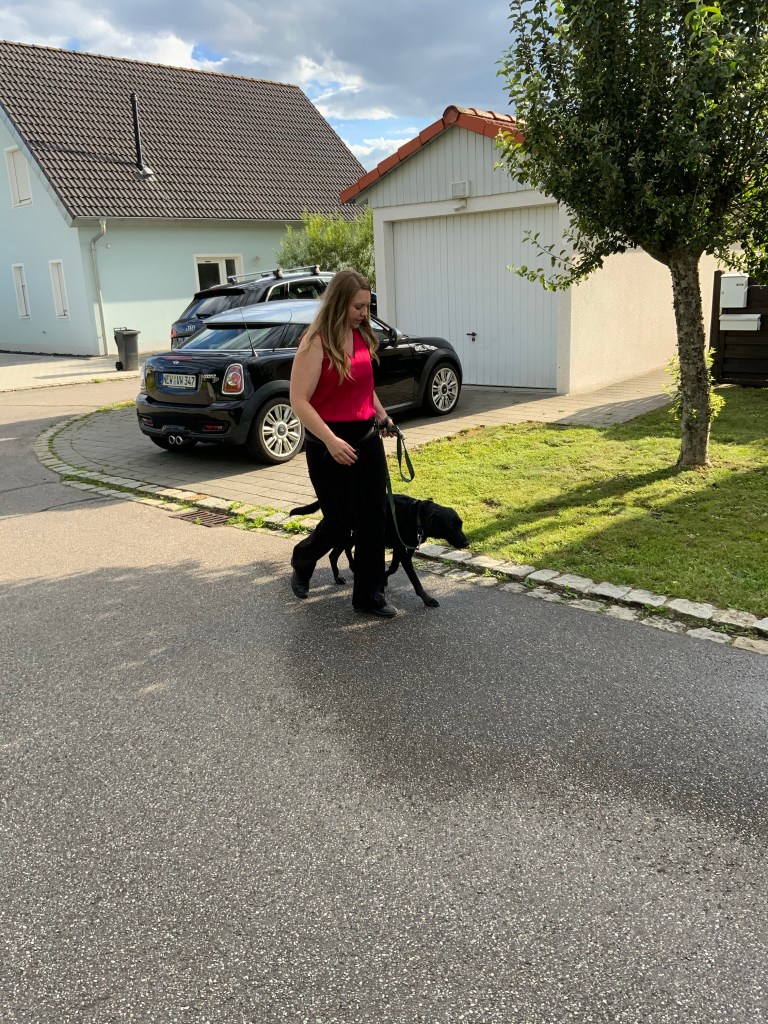
Michelle taking her time with Maverick.
You can see their connection with their dogs while on a walk. Instead of their dogs becoming disconnected on a walk with their person, clients and their dogs are checking in with each other and moving in sync with one another much like dance partners.
K-Rae and Shadow. K-Rae honed in Shadow’s puppy energy for some focused loose leash walking 🙂
This can also be YOU too!
Schedule a Discovery Call with me and we can talk about how we can make this happen, so you can discover how to enjoy life with your dog!
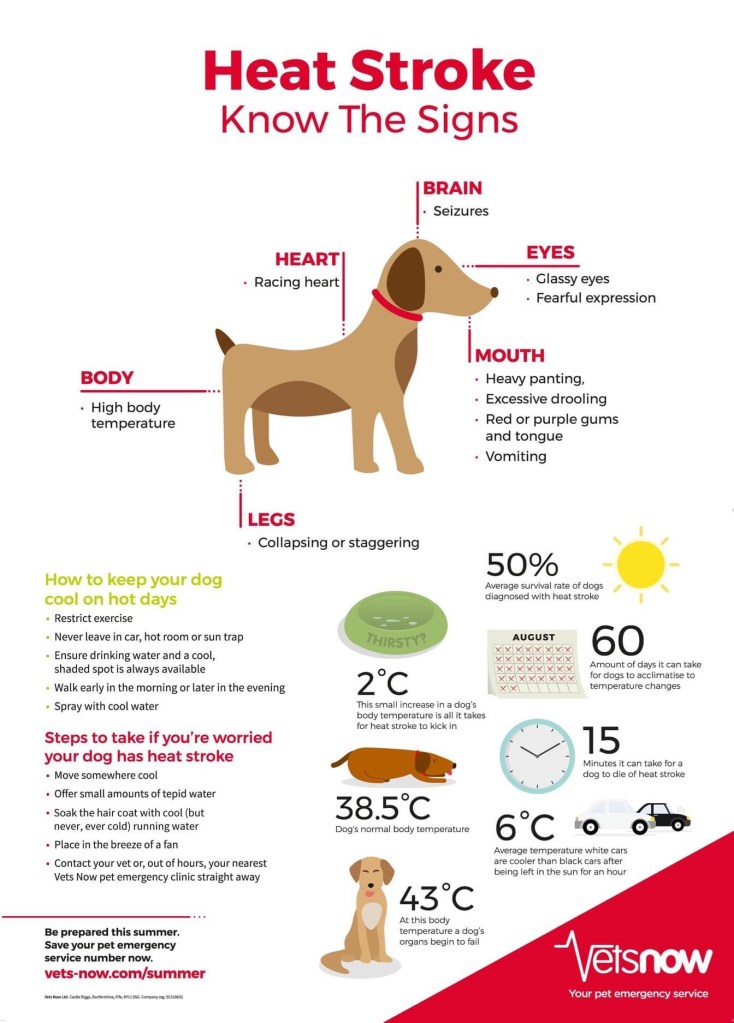
I was teaching CPR/FA to CYS employees on Friday and we discussed the impact of heat related illnesses on people.
Heat stroke is fatal.
The progression from heat cramps to heat exhaustion to heat stroke can be mitigated if certain measures are taken at the earliest signs and symptoms.
There are things you can do to help reduce your chances of getting heat stroke from staying hydrated to drinking beverages with carbohydrates and electrolytes. Even relaxing in a shady spot or going indoors to cool off is key.
This got me thinking about your dogs.
Dogs can also suffer from heat stroke and the impact of this heat related disease is even more fatal for them.
Why?
It takes only a slight temperature difference to raise their body temperature and they can die within 15 minutes of their bodies getting too hot.
Dogs’ bodies are unable to efficiently cool themselves like people can through sweating.
What can you do help your dog stay comfortable during the summer?
Walk during early morning or evening times. These are the cooler parts of the day.
Give access to water 24hrs a day. Your dogs staying hydrated is so necessary!
Get a kiddie pool and fill with cool water. Your dogs may love taking a dip in the pool. In the cooler months, you can turn the kiddie pool into a digging pit!
Giving your dogs an elevated bed like a Kuranda bed https://kuranda.com/ will help with keeping air circulating, placing near a fan can help create a nice resting place for your dog.
Giving your dog frozen snacks like a frozen Kong stuffed with safe to eat berries like blueberries can help your dog cool off too!
The first group of Growl to Grow clients are actively doing their homework and following the training plans I’ve created for them and adapt as we go.
Growl to Grow clients may sound like you in the beginning. They are often struggling with barking at all things, their dogs fearfully lunging and nipping at guests, pulling on a leash or never coming back when the leash comes off.
Clients are learning about how learning is NEVER in a straight line and finding ways of staying patient with themselves and their dogs.
Dogs are learning how being with their people and playing games and interacting on a daily basis is the source of plenty. Plenty of love. Plenty of affection. Plenty of attention. Plenty of enrichment.
What continue to astounds me is where my clients hearts open and their imagination widens with seeing the untapped potential in their relationship with their dogs.
Is that you?
What if I told you, by the end of the program, you’ll be doing activities with your dogs you never imagined was possible?
Like taking your once highly reactive dog and being able to go into a busier city center and have lunch with friends and your dogs?
Or, planning on taking your fearful and reactive dog to a pet sitter or boarder for the first time? Finding out, your dog enjoyed her time there for a WHOLE weekend and not once had a reactive event causing more fear.
How about this one, being able to have your dog off leash for the first time and she stays with you for the ENTIRE run in the woods?
Unimaginable, right? Not at all.
All of these things have been accomplished by my clients. The goals of decreasing barking and changing their dogs’ minds about once stressful or fearful events are now exciting and enjoyable.
How about LOOSE leash walking. One client in particular had some trouble with her dog pulling on a leash and now she and her dog are doing a Couch 2 5K because her dog gained mad leash walking skill.
K-Rae and Ray wanted their dogs Shadow and Popeye have better leash walking skills and improve on recall and being off leash.
We played hide n’ seek and practiced loose leash walking in the first session.
In less than a week, the Ray recounted while on a run, Shadow ran with him off leash in the woods and she stayed right by Ray’s side the entire time.
This all happened because of the relationship K-Rae and Ray strengthened with their dogs.
Ray and Shadow practicing loose leash walking after the first session. Best friends hanging out together.

 Four Paws & You Dog Training