Hindsight is always 20/20. Some nuggets of information sharing with likeminded folks or pet professional who were say to find and not just in my local area, would be the icing on the cake.
But, Facebook was definitely not like what it is now and sharing information is no easier than ever.
Since I learned by flying by the seat of my pants, I want you to be better prepared and not struggle like I did.
I also want you to know you’re definitely not alone if everything isn’t unicorns and butterflies when you bring your new dog home.
1. Dog Trainer: Hiring a dog trainer, is on the top of the list (not just because I am on:)), it’s because a dog transitioning into your house, you and your dog will need time to adjust and become more comfortable with one another.
Also, a great way of preventing those unwanted behaviors BEFORE they become a problems.
It’s important for you and your dog to start off on the right foot. Hiring a positive reinforcement trainer will for sure set you up for success.
2. Dog Food: All dog food is not created equally, that’s for sure. Finding how dog food compares with each other is important. In addition, I didn’t even think about recalls on dog food until I found out about www.dogfoodadvisor.com.
Make this website a reference tool for you as you consider all types of dog food.
One last bit on dog food, if you like reading, Dog Food Logic by Linda Case will definitely turn your head on the dog food business.
3. Car Seatbelts: When I think about this now, I’m like “duh” why didn’t I think of this earlier. I mean, seatbelts keep you safe, why not have this in place for your dog too.
There are different varieties, I do like the ones that clip into the seatbelt itself. You can feel secure your dog will be protected if you get into a car accident.
Note: If you give treats int he car-make sure they are big enough to not get stuck in between the care seat lol.
4. Car Seat Covers: These will protect your car’s fabric from nail marks or dirt and wetness. Some even have the option of having a front seat divider which will help keep your pets in the back.
You won’t have that problem if you follow #2.
5. Either purchasing pet insurance or creating a fund for pet care needs: Visits to the veterinarians are expensive I know you all want the best for your dogs, so feel secure knowing you have money set aside or get reimbursed through your pet insurance when accidents or illness happens.
An added thought, for those who are always moving due to the military, especially relocating overseas, pet transport is not covered (currently)with travel orders.
What this means for you, make sure you have funds to cover the cost of travel and required relocation expenses for your dogs. They are family and can move with you!
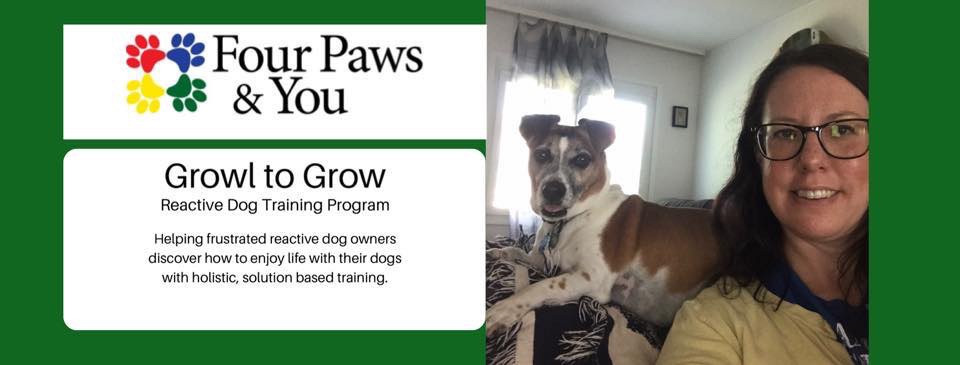
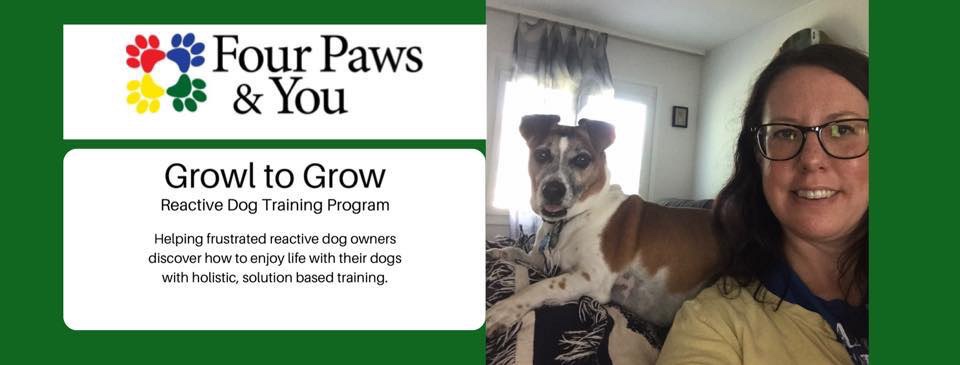
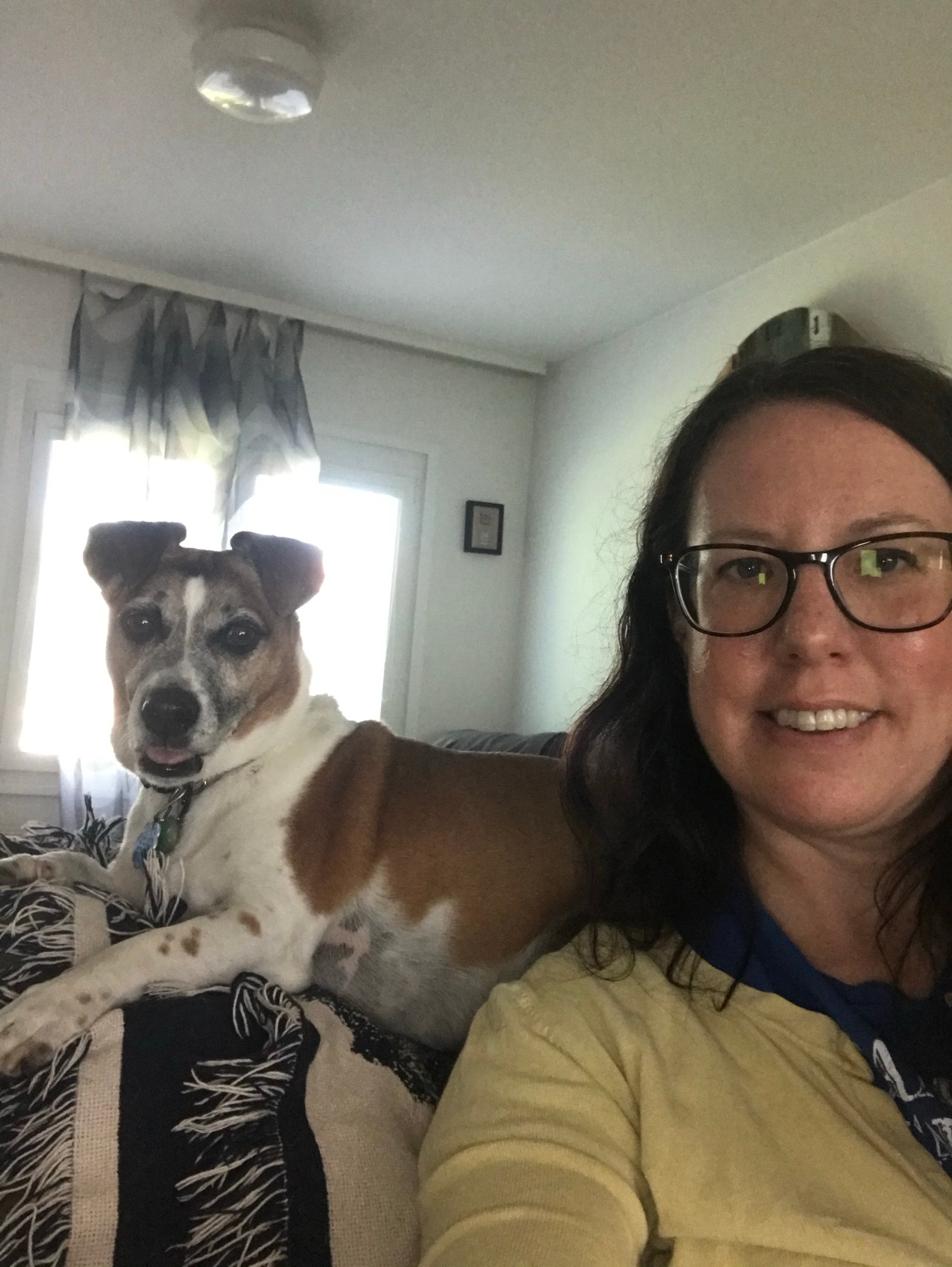
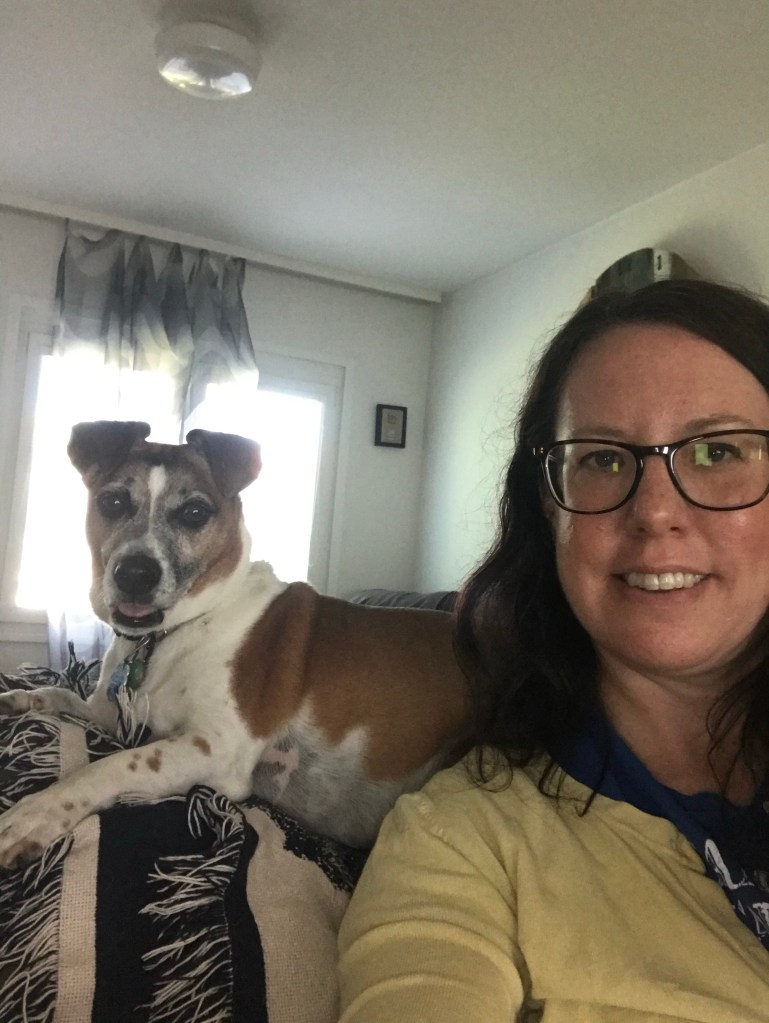
I often reflect on my life with Jack and my heart cracks open with love and gratefulness for how far we’ve come. I didn’t always feel this connection with him, nor did I know this type of friendship was possible.
You see, I didn’t always know what I now know about dogs. I had a void of knowledge and understanding for what having a companion animal felt like or looked like and both Jack and I lost ground.
At the time, I had some basic level of understanding of what it was going to be like bringing a Jack Russell into the home. I was definitely not prepared for his behavioral challenges. Most of all, all of the BARKING!
I know, I know, Jack Russell’s are vocal. They were bred to let their human know when foxes or other small vermin were afoot. But, Jack’s barking was incessant and was out of frustration and anxiety. This was at a level I never expected and didn’t know how to address.
I lived in this space of feeling inept and sad for not knowing how to help him. Pangs of guilt kept me paralyzed in my own fears and anxiety because I was embarrassed for not knowing what to do or how to do it. So I asked a professional.
The disconnect between Jack and I was prevalent during our first training appointment. I remember standing a football field away and Jack was barking uncontrollably and I didn’t know what to do. I felt defeated.
The professional gave instructions of working in weave poles and passes up and down the A frame, but didn’t share the importance of these activities with the rewards of successful completion of passes through the course. This was the reinforcement side of training which I came to understand. It was also enriching.
On the flip side, there were instructions and guidance of using tools like a pinch collar and shaker can to stop the barking. This was the other side of the training coin and where my own disempowerment led to clouded judgement. I lost sight of my own values and chose to follow someone else’s lead.
I trusted someone and gave my power over because I believed this professional knew better than me. Saying no to a pinch collar and shaker can would have saved Jack and I frustration and breakdown of our relationship was the result. A relationship that was just blossoming started off rocky.
What was missing during my earlier experiences going through dog training as a client, was a deep understanding of what building a relationship with Jack looks and feels like. I was disconnected from him and he from me. The total opposite of what you need in changing behavior. Adding pain, force and fear only interferes further.
Training is not just teaching the basics and rote learning and doing.
Training is relationship building.
Training is building trust.
Training is forming a friendship with another living being.
Training is understanding what the dog is feeling, expressing and understanding.
I want you to know, you are the best advocate for your dog. Keeping your voice and using your voice to speak for the voiceless, is using your power for keeping your pet safe.
Not all pet professionals are molded or cut from the same cloth nor do they all give approaches the same way. Make sure to choose wisely. I urge you to choose pet professionals that are force free, fear free and always do no harm in dog training.
The Pet Professional Guild is an organization committed to no force, no fear, no shock, no prong-essentially do no harm in training. If you’re looking to hire a pet professional, bookmark this site and use it as a reference tool of finding a pet professional who is committed to keeping your dog safe from harm. Yes, Four Paws & You Dog Training is most definitely a member. I’m proud of our commitment in helping change the face of the dog training culture.

 Four Paws & You Dog Training