Moving Beyond Traditional Dog Training

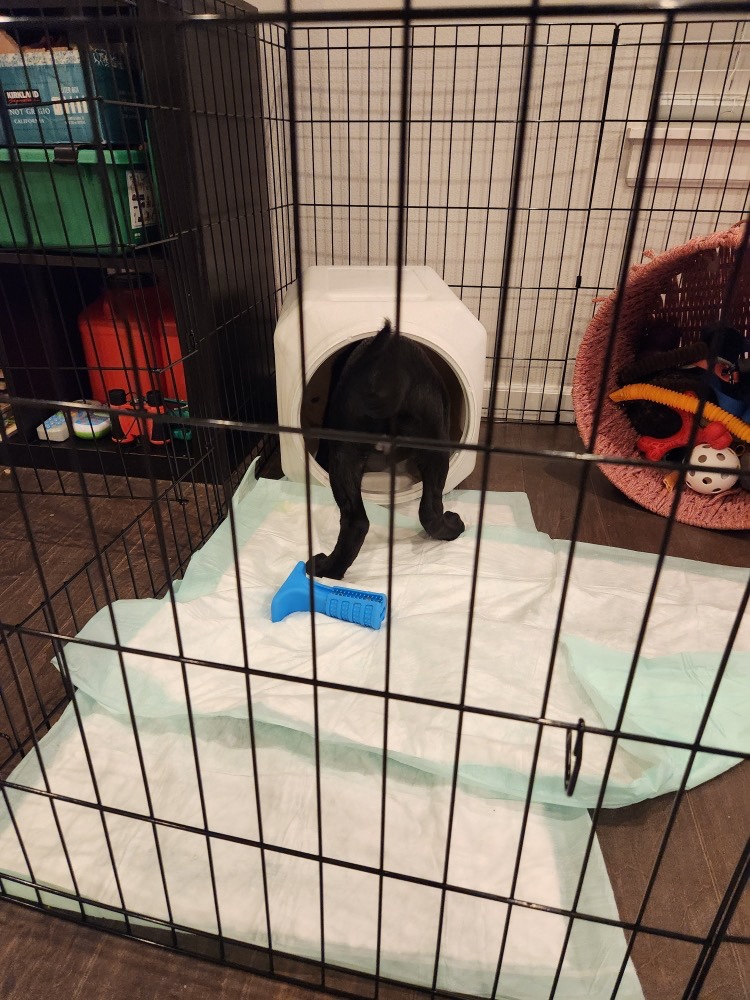
Dustin foraging as a way to settle down

This family right here is beyond measure one of the best I’ve served and continue serving.

They came to me wanting guidance on raising a puppy.

They are no stranger to the puppyhood experience, but it’s been a minute since they’ve been in the thick of it.

When we first sat down together, I immediately shared that what I’m going to say to them most likely will be 180 degree difference to what they learned about dog training and behavior.

Sure enough, that was the case.

Their open mindedness, their introspection and their ability in accommodating this new information and how to apply it has been remarkable.

Dustin, their puppy is just like any puppy. Morphing into a land shark and frustrating everyone in the home.

But, this family makes the choice to ask what the frustration is trying to tell them, allow their inner knowing to source their solutions in the moment based on the their learning and creating workable ways which meet Dustin’s needs.

The family comes together to do this because they all value Dustin’s emotional and social needs too.

They take heart centered action by prioritizing their relationship with Dustin.

The central focus is not on teaching sit, down, stay, or not to do something like nipping and biting.

But rather, the central focus and where they take action is what they want their relationship to look like and feel like.

I hear each time I meet with them, they want their whole family, to have a secure bond with him and they are making this happen with every choice they make.

The family shared with me that their routine changed the other day and Dustin was extra nippy.

Instead of allowing the frustration freezing them in place, they understood a routine change is hard on a dog to understand, they recognized the biting and nipping was because Dustin was frustrated and confused and they took heart centered action and found solutions that allowed the space for Dustin to relax.

He foraged the last bits of his food out of his food bin which helped him to self soothe and settle down.

What the family gets to receive from this is the feeling of relief from the shark teeth and a deepening of a connection with Dustin. The oxytocin overflows for both of them.

Building a relationship with your puppy or dog is not about the cues you teach them, but rather learning to flow with them, being guided to take action by what they need and being open to what unfolds on your journey.

Puppy and dog raising is much more than training a behavior or changing something you don’t like.

It’s about forming a relationship with them where you and your dog get to give and receive love from one another.

Dustin wearing his Halloween costume
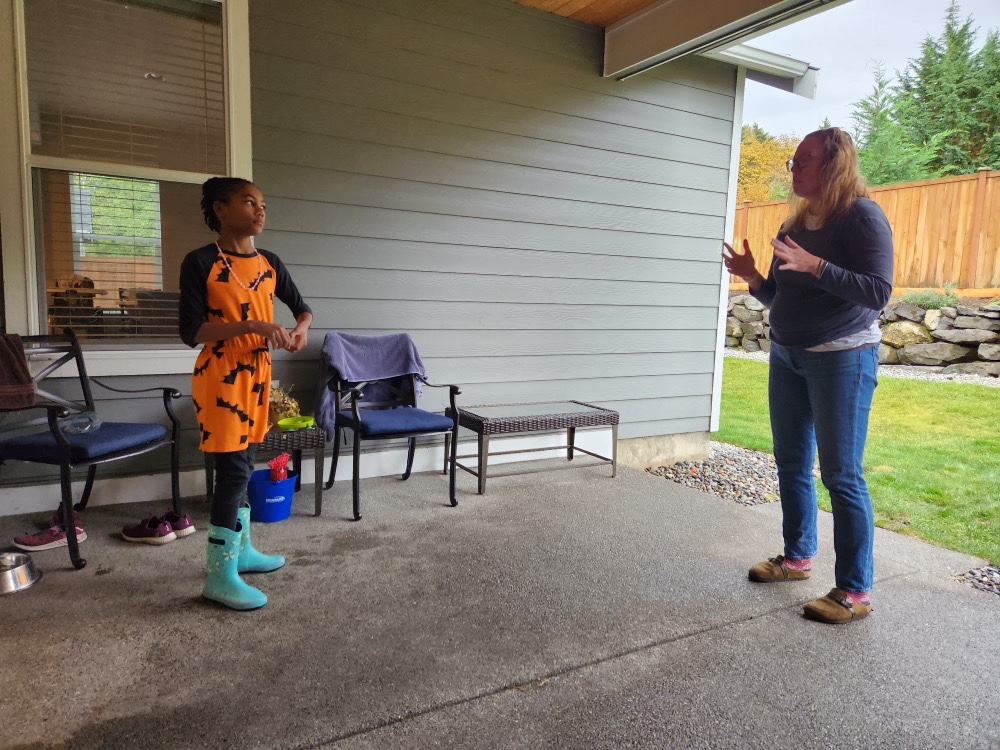
Facilitating learning about Dustin’s needs to a younger generation.

If you’re willing to move beyond the limitations of what traditional dog training looks like, feel free to set up a call with me and you can explore what this is all about!

The Bee’s Knees

My coaching practice has a focus around how to meet our dog’s needs with an emphasis on meeting a dog’s emotional needs.

Why is this important?

All behavior is motivated by and underlying emotion (even for us), so to understand behavior is to first understand the emotion behind it.

When we begin to connect the dots with how our dogs can experience both appetitive emotions (care, play and lust) and aversive emotions (grief, fear/anxiety and rage) we can also have some clarity of how our dogs aren’t so different from us. https://amzn.to/3Ptt14g

You can empathize with your dog’s experience because you can feel what its like when they are seeking out experiences they love and also feel when situations are causing them not just physical, but emotional pain as well.

Dogs aren’t the only creatures which have feelings.

A new study finds that bumblebees also can experience appetitive emotions like play https://www.npr.org/2022/11/05/1134355887/bumblebees-can-play-does-it-mean-they-have-feelings-study-says-yes

This is important because we can then have empathy for these little ones too and take action which can help support their existence in this world.

The Fork in the Road: Which Direction Will You Choose?

You’ve had dogs all your life.

One day, your dog is doing something you’re unsure about how to handle.

Fear creeps in.

You don’t know what to do, but you do feel uneasy about how life with your dog is now like a spinning top, wobbling around on its head.

You want answers.

You want things to go back to where the were before.

This is where your relationship journey with your dog begins.

You can choose to take the path led by fear itself.

Trapping yourself in the same limited beliefs of what you can’t do, how change isn’t possible and diminishing your own light of hope that shines within you.

Even choosing to listen to others who reflect back to you the negative labels that your dog is bad, troubled, stubborn or is otherwise broken in some way.

Only leading you to take action which is detrimental to your relationship with your dog.

Or, you can make a different choice.

You can choose to go down the path of actively acknowledging the fear of the unknown, face the limiting beliefs straight on and reclaim your own power in how you move forward.

You can light your way, by choosing how you want your relationship with your dog to be, how you and your dog are treated and what you envision for the future.

The fear never goes away, especially when you embark on a new path that you’ve never experienced before.

You don’t have the neural pathways of what this experience will look like.

That’s ok.

When you listen to your inner knowing of what is truly loving, kind, humane and safe for you and your dog, you will be guided to take action with this in mind.

You’ll be guided in the direction you know in your heart where you wan to travel.

One pet parent shared with me the other day is when she experienced her dog pulling and lunging on the leash and almost taking her down, she quickly knew she had a choice to make.

The hope illuminated her situation could be different, led her into not rehoming or returning her dog to the rescue.

She was then led on a path of seeking solutions of how to teach her dog to walk on a leash.

She even took the opportunity to observe how other professionals worked.

What she learned is the methods used by other industry leaders were confusing to the dog, the tools suggested she use she considered torture devices and refused to incorporate them into her practice.

Her desire in having a loving bond with her dog led her into making a choice for gentle and kind approaches.

Now, she’s creating a new routine and motivated to take action in teaching and guiding her dog.

Showing up and taking action, she’s creating a new habit and new understanding of how to handle the situations when her dog sees another dog while out on a walk.

Her confidence is soaring. When bumps along the way happen, she now sees this as an opportunity to learn, ask questions and try again.

The tears turn to smiles and she chooses to see each day as an adventure and the journey of learning and understanding what her dog needs guides her along the way.

Create ease and discover how to lessen the burden of what your dog is doing by finding the joy and fun in your relationship.

Click on the link to schedule a time to chat if you’re willing to get started!