You’ve been struggling for weeks or even months with your dog’s behavior.
You’ve thought your dog would grow out of barking at other dogs or people.
You’ve scoured video links and tutorials to see how to help your dog change.
Nothing worked.
Now, you are so frustrated. This is now your catalyst for change.
You’re done with feeling stressed or anxious with your dog’s scary behavior.
You’re concerned with your dog biting or biting again.
You want to be on the same page with the way forward with your spouse and you want your kids to enjoy their dog too without all the chaos of their interactions.
You’re ready to learn.
You’re ready in hiring a pet professional who will coach you and your family rather than training the dog for you.
You want a coach who understands your busy life and provides you with ongoing support, is knowledgeable and is a calm professional.
You will realize the simple solutions to getting what you want isn’t out of reach anymore.
You will be amazed.
You will feel relief and so proud of where you are in your journey when you see the practice pay off.
There’s no reason to stress yourself out anymore, set up your free Discovery Call with me:
I thought the best way of helping Jack learn to relax was physical exercise.
Running or walking him, in my mind, was the only way for him to just chill.
Boy, was I wrong.
Exercise has it’s part as it encourages bonding with you and increase in fitness, but mental stimulation is so important for an overall wellness plan for your dog.
Here are 6 Canine Enrichment areas and ideas you can include into your dog’s routine.
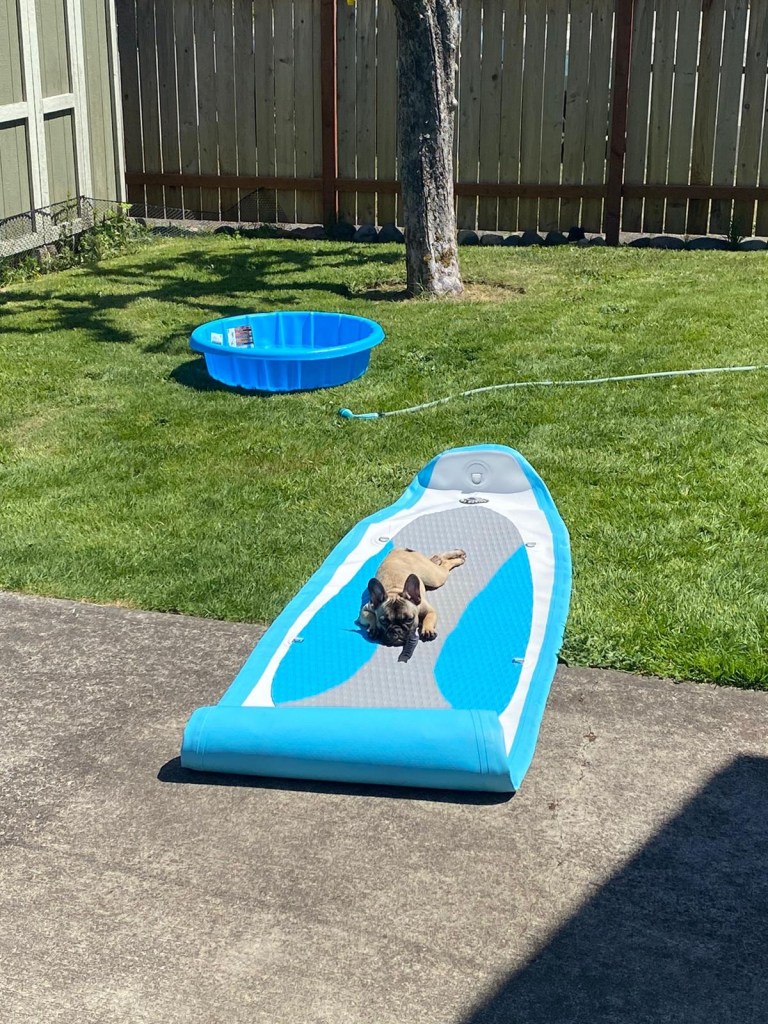
⭐️ Sensory: Anything that can enliven your dog’s sense of taste, smell, touch, sight and sound. Building a sensory garden in your yard by adding a elevated digging pit, add a kiddie pool and you can fill with either water or switch it out with balls. Add in non toxic plants and ornamental grasses for your dog as some ideas. Even using music through platforms of ICalm by pairing with a carefully planned out D/CC approach to triggering stimuli can help change your dog’s emotional response to those triggers.
⭐️ Feeding: Get rid of the food bowl and try some scatter feeding in your yard or even use a snuffle mat. Foraging also activates your dog’s sense of smell (which is their prominent sense 10s of thousands times stronger than humans). You can even include Find It games or roll up a towel as you sprinkle some of their meal into each roll. Even using a lickety mat can encourage your dog’s change of mind to once fearful experiences. This also adds some different textures which also incorporates a sensory experience.
⭐️ Toys and Puzzles: Teaching your dog games like tug work in other areas of enrichment like training and social interaction. Learning new ways of solving a problem raises confidence as well as a deep sense of relaxation. Also, make sure to teach your dog giving breaks during play is also desireable so your dog enjoys settling and resetting. This also builds in meeting the social needs of your dogs too.
⭐️ Environmental: Change of scenery can enhance your dog’s life just like us. Consider exploring a new hiking spot as a staycation for your dog. Exploring new environments is exciting as well as perfect bonding trip with you. Adding in a decompression walk with a long line can also give your dog some level of freedom to sniff about and take in the experience.
⭐️ Social: Bonding with you is the best! Also, if your dog enjoys being around other likeminded playmates and expresses shared play styles, schedule regular play dates. This can keep the play skills sharp, but work in a little exercise too.
⭐️ Training: Teaching your dog new cues and even incorporating cues like settle can help our dogs take breaks during play sessions, so your dog or a friend’s dog doesn’t become overly stimulated preventing play from becoming too intense.
Olive starting off with the basics on SUP!Snuffle mats and DIY puzzle games

 Four Paws & You Dog Training