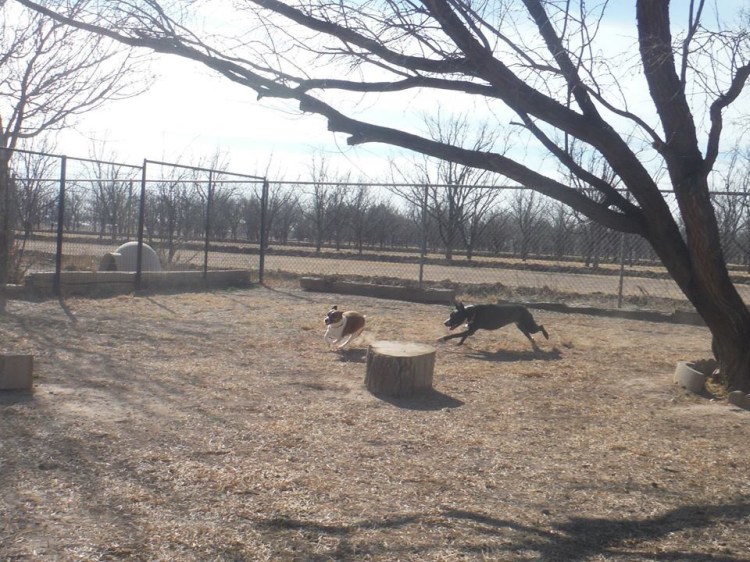
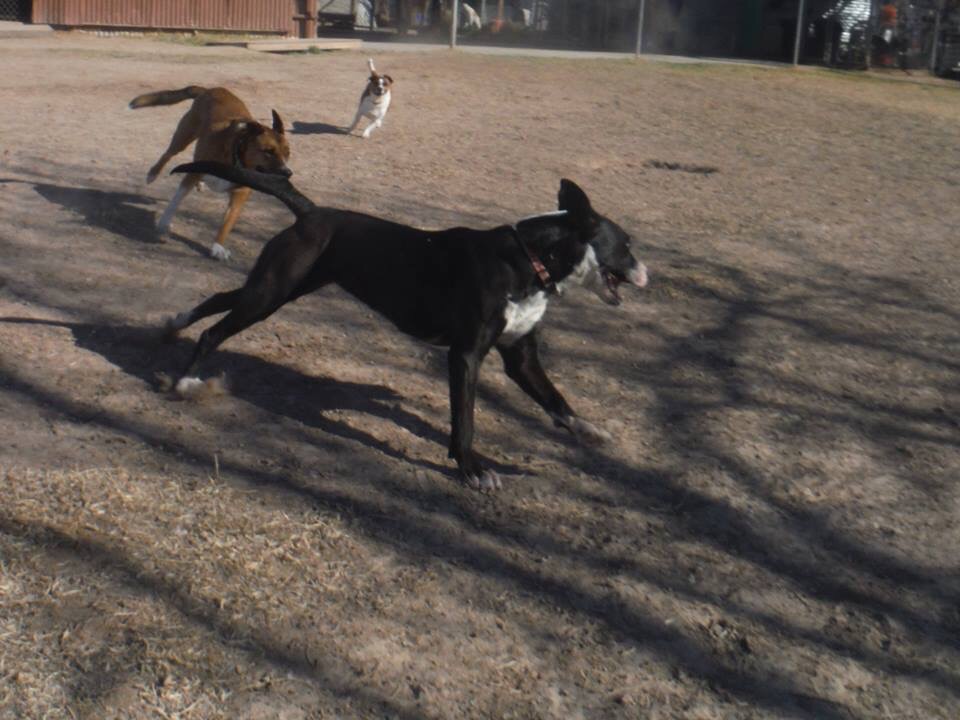
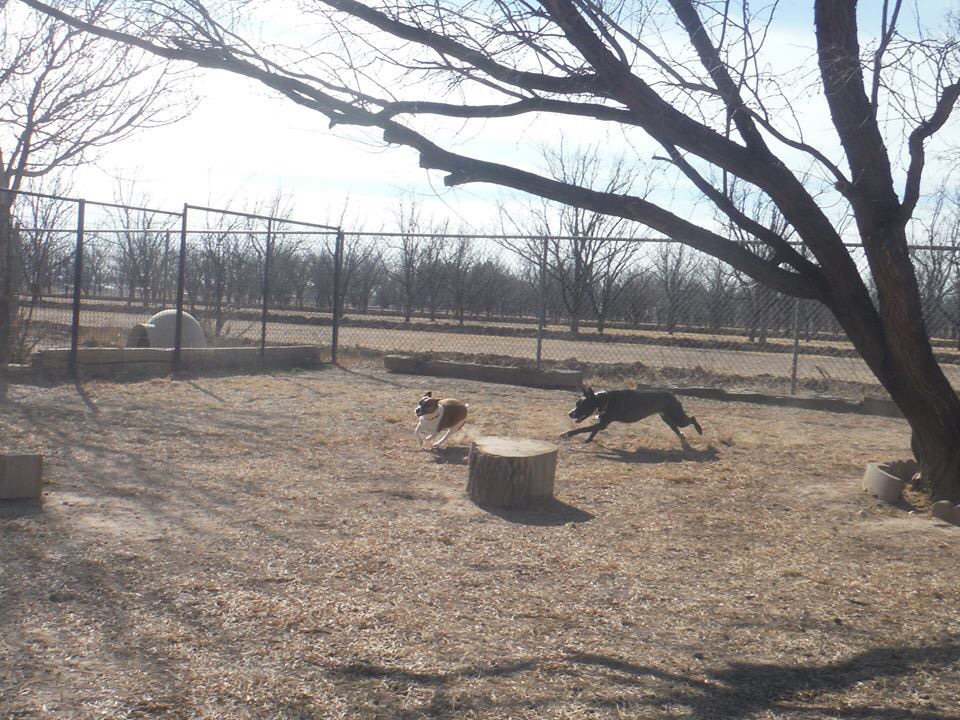
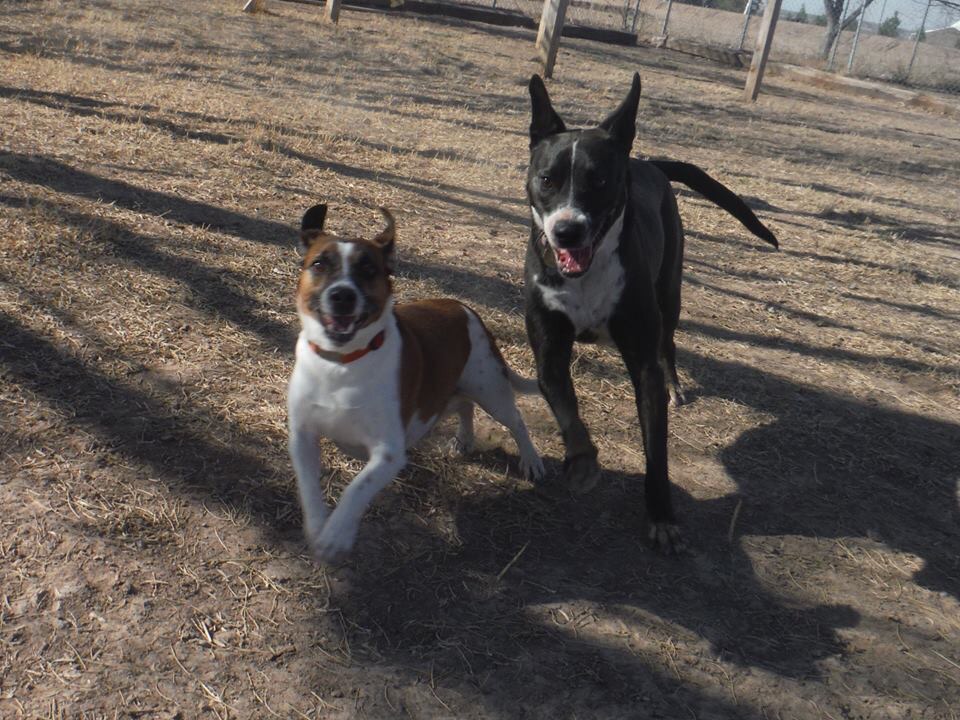
Christmas Continued with Katie and Pippa

Ok, so I’m way behind in getting the second part of Katie and Pippa meeting and also staying with Jack and Bernie over Christmas. Now, with a bit of time on my hands and my mental notes of how we had a successful few days together, I put my thoughts to virtual paper and will explain how we enjoyed our holiday fight free!

The first things first, initial greetings for sure set the tone for how things will go. My sister and I were intentional with breaking the greeting down into manageable and easy steps. As a look back, we had each dog meet each other individually on leashes. We each have good insights into our dogs and their stress responses. For instance, I know Jack gets wound up, so we took time and decreased distance only when he wasn’t pulling. When he did we moved away. This helped him use up some of that extra energy at the same time, he looked to me for my lead and direction (what you want!). We did the same thing for Bernie. Bernie’s response in stressful situations is to mostly flee. Bernie also freezes. As you dog lovers know, dog’s who freeze under stress, this could lead to a bite or a fight if the stress isn’t removed or if Bernie isn’t walked away. Bernie and I practiced this around both Katie and Pippa. Bernie responded better and he seemed more relaxed, so we all moved inside.

The next part of the process of integrating them, was vigilant observation of body language. What I mean by vigilant isn’t standing and staring at them because that would escalate their behaviors. They stayed in the same area, they had immediate access to the backyard and any close quarters were quickly redirected by happily calling them over to us. I made sure Bernie had an escape route, so he didn’t feel pressured to ‘hang out’ with them right away. He’s a bit more a slow to warm up type of dog,  I can totally appreciate his interest in taking time. On the flip side, Jack is an in your face, let’s be friends type of dog, which isn’t received well by some other dogs, so I watched him for any over exuberance in greeting, paying too much attention to either Katie or Pippa or even high energy play which can be overstimulating for a new play group. I observed tail movements and body language. I quickly interrupted play between any of the dogs and kept the atmoshphere low key. In talking with Aileen, she knows Katie is a buzz kill. She quickly interjects herself and helps end any play between a dog and a person if she’s around. Aileen knows all too well how some innocent fun Pippa may be having, Katie acts on ending it right away. In the past, this led to some serious fights between Katie and Pippa and a trip to the emergency vet. We made sure this didn’t happen. Knowing, observing and responding to body language was the necessary component in making the pups feel comfortable in either a new environment or with unfamiliar people and dogs in their home.

The second day, things really settled in. I contribute most of the success of this day to the 10 or 11 mile run Eddie and I did with the Bears. We are training for a marathon and Jack and Bernie have increased their mileage with us, so 10 miles wasn’t out of the ordinary for them. I must say, the rest of the day, the atmoshphere in my home was just chill. The four pups minded themselves and didn’t get into each other’s way and respected personal space. The key ingredient on this day was exercise. Exercise burned off their energy and Jack and Bernie were low key and relaxed. This type of mindset also allows them an opportunity to experience unfamiliar things at a low threat level therefore makes them feel ok about something new happening.

Finally, we made sure all feedings were done separately, no toys were left out and all Christmas present opening happened under close supervision in separate areas. Our dogs perceive these events as more intense. As a situation is perceived by a dog to be more excitable, the excitement can flip like a light switch and the energy can become more aggressive leading to a dog fight. We kept with our goal of associating all things happening with pleasure and positivity. Even by the end of Katie and Pippa’s time here, for a brief moment in time, Jack gave a few play bows and engaged Katie in a game of chase 🙂 

I look forward to our next Christmas with the Girls!

Christmas with Katie and Pippa pt 1

This is a wonderful time of year, the season of giving (and receiving), warm snuggles from my Bears and the anticipation of visits from family. This year, my sister came to visit for Christmas. It was the first time in what I think was years that we spent the day of Christmas with each other. There were other years when she and I would reunite a day or two after Christmas, but this year, Santa was coming to my house and we would be both under the same roof ;). As you can speculate, I was excited. I felt the energy of her arrival for a couple of days beforehand. I somewhat tied up loose ends (purchasing a new air mattress, putting sheets on the new air mattress, purchasing TONS of food and adult beverages). Some of my plans kind of fell short, but my motto is “whatevs”. The one thing I did take time and put energy into was planning for the arrival of not only Aileen, but also her adorable and quirky English Bulldogs.

You may be asking yourself, “Why so much energy to planning for her dogs coming into her home?” “What’s the big freakin’ deal?” Well, the big deal, is I’ve witnessed and observed how Jack and Bernie greet dogs, especially how Bernie greets Bulldogs. Let me tell you, it’s not like two unfamiliar people coming up and shaking hands. It’s more like two people coming up to one another and one of them punches the other one unprovoked in the face. Maybe not that bad, but Bernie definitely has prolonged staring, stiff body and his breathing becomes slower. I’ve seen him react and get in a dog’s face if he feels threatened. Early on in Bernie’s life, he would be bullied. He would be chased by other dogs and I was told ALL dogs humped him. Now, he seems to stand up for himself and at times, it’s a little preemptively. I’ve watched him in several encounters with other dogs, especially with Boxers, Bulldogs and Pit Bulls and made sure he was able to have a way out and was still able to be redirected. The way out with him was crucial. If Bernie feels like he’s forced to react, he will. I’m aware of ensuring Bernie has time to himself and he has a way out if someone or another dog doesn’t respect his alone time. Some dogs bullied him, they would shadow him and constantly be in his space. Bernie is very much one who needs time to warm up and he’s methodical. 

Jack on the other hand, is the social butterfly, he’s a ying to Bernie’s yang. Jack enjoys meeting others and he’s not afraid of new situations. He just becomes, over stimulated and super excited. I’ve watched Jack calm other anxious dogs down, befriend dogs who have otherwise never been around another dog, mind his own business around dogs who are too threatened by him. I’ve seen him give exaggerated head turns which signal to the other dog, “I’m not here to bother you, just walking by, that’s all”. I’ve never witnessed Jack to flee if he feels threatened. Jack is a very self assured, outgoing dog. He feels confident in himself and will try and mend fences when possible, sometimes a bit too much in your face! 

Katie and Pippa are great pups, each with their own sentiments on new environments and new dogs. Katie has some physical issues. She has a hard time walking with her back legs and doesn’t see straight. She uses walls and other objects to give her guidance. Katie is also a total buzz kill. Whenever she hears affection or fun being had by any other dog, she stops it. Eddie appropriately gave her the nickname “Thunderball”. She will be sitting quietly and then out of nowhere, she darts at whatever dog is getting love and tries to stop it. You gotta stay on your toes with her. 

Pippa is tolerant and she knows what she wants. Aileen adopted Pippa as a puppy. I used to love getting her excited and she would try to take out your legs by barreling into them. It would make me laugh, until it didn’t! She is now more reserved and also methodical. This may be because of the experiences with Katie moving into the home. Pippa knows to leave others alone and would really appreciate being left alone or at least not having the focus on her so much by another dog. Pippa and Katie have had their spats and Aileen does a great job of understanding each of their triggers and has a solid behavior management plan in place. She attests to watching body language and has a deep understanding of keeping resources out of reach when they aren’t able to be supervised. 

Now fast forward to Wednesday, December 23rd. This is the first meeting between Jack and Bernie with not only Aileen, but also Katie and Pippa. In understanding all these facets and triggers for all four dogs, I came up with a plan. I would have loved to take a video of the following exchange, but as always, hindsight is 20/20!

1. When Aileen arrived, I asked for her to come inside, so Jack and Bernie can meet her alone. They both get excited with new people and with high energy and unfamiliar dogs it could lead to a fight. 

2. The next step was for Aileen to go outside and be working on a “look at me” (Pippa completed basic obedience and she’s fantastic at the the “look at me” cue. At the same time of Aileen and Pippa working, I had Jack on a leash. He gets excited when he sees new to him dogs. I took him about 5oft away. We practiced our loose leash walking. As soon as he pulled, I moved him away. We slowly decreased distance and as we were about 10 ft away, Jack started showing displacement signals (sniffing the ground, looking away and even better so focused on me). I knew at this point, Jack was ready to meet Pippa. They greeted each other appropriately and even immediately began ignoring each other (perfect!). 

3. I repeated the same steps with Jack and Katie. Aileen said Katie tries to hump little dogs (maybe to shut them up) and Jack would definitely fit into this category of being a barker. Jack was way more chill when we took our time during the greeting. We did continue being vigilant watching body language (I’ll talk about this later). 

3. I took special precautions with Bernie. I reminded Bernie I would ensure his safety and I would look out for him by moving him away while we were greeting new dogs. At one point, Bernie initially pulled like he was going to take off towards the girls, but when I counteracted his motion by moving away, Bernie immediately calmed down. He became more focused on me or looking away then laser focus on Pippa and Katie. 


Katie chillin’
 
 
Relaxing after a day of opening presents


House Breaking vs. Separation Anxiety

I’ve met with a few clients lately who contacted Four Paws and You Dog Training to find out about how to stop their dog from soiling in the home. When I met with them and inquired a bit about each dog’s background, I soon found out some, not all, had some incomplete house breaking and others had some level of separation anxiety.  

How to tell the difference? House breaking or house training is training the dog to go outside for all elimination. Ideally, the handler will teach the dog (puppy or an adult dog) to go to a door, sit and wait for the door to open and be released from sitting with a cue of ok (or whatever release word the handler chooses). As soon as the dog eliminated, the handler would give copious amounts of praise which in turn positively reinforces the dog to use the outside as his bathroom. Over time and with consistency, the dog will be conditioned to go to the door when he needs to use the bathroom. This behavior will then tell the handler, “oh, its time for potty” and let the dog outside. 

Incomplete house breaking is when the frequency of having house soiling accidents doesn’t diminish and the dog isn’t reinforced for using the bathroom outside (handler isn’t watching and giving praise, the dog doesn’t eliminate at all and he has the run of the house when he comes back inside). In addition, since dogs have such a keen sense of smell and when previous urine wasn’t completely cleaned up, the dog knows where he urinated before and therefore will continue going back to the same spot to urinate again. House soiling can be recifited by strict behavior management plan and watching for the dog to eliminate outside. Sometimes its effective (so long no anxious behaviors develop) to keep the dog confined in a crate or in a room with the door shut when the handler has to leave for whatever reason which will teach the dog not to use the bathroom in his space and wait until he has the opportunity to go to the bathroom outside. 

Newly adopted dogs may have some initial house soiling issues even if they were completely house broken before moving in. Some dogs who move into a new home are a bit confused about the change in their routines and new neighborhood. They may seem reluctant in the beginning in eliminating where you’re wanting them to go and their may be some accidents along the way. I have first hand knowledge with Bernie. Bernie’s temperament is more thoughtful and reserved. When we brought Bernie home for the first time, we didn’t know Bernie’s signs for using the bathroom. We were a bit dumbfounded when he would get up and just pee. We didn’t recognize there was a few moments before he ‘just peed’ when he would stare at us by the door. It took us a moment in connecting his subtle jestures in wanting us to take him out. Bernie also didn’t pee on walks in the beginning. He was more hesitant in leaving his mark around the block. Bernie was the most comfortable in going to the EXACT same spot each time to urinate. It wasn’t for a couple of weeks later when he would be interested in the walks and feel comfortable peeing in other areas around the neighborhood. I learned a thing or two from Berns which I pass along to clients when they request guidance on house training, bring your dog to the same spot every time he pees and give lots of praise! It works like a charm.

Now for a bit on separation anxiety. For starters, I’m not a behaviorist, I’m a dog trainer. The differences I can get into in another post, but my education is in understanding and training an animal, particularly dogs in performing certain tasks as in obedience cues. I have knowledge in and can implement behavior management plans for specific issues such as house training. For more severe behavior problems like aggression, I often refer clients to vets so they can get a medical perspective, such as a behaviorist or a vet on treating such behaviors or to another trainer who has more extensive background in such areas as aggression. For me, separation anxiety is a mixed bag. I have both personal and professional experience working with dogs who are actively showing separation anxiety. I often suggest to a client for a vet consult on a dog’s separation anxiety if there are such behaviors as mutilation and or signs the dog is having what a human would describe as a panic attack. The symptoms in dogs is very simliar to what people experience with panic attacks. In the canine world, separation anxiety is often described as a dog pacing after the handler leaves, digging or scratching at a door or window in an effort to escape, urinating or defecating, drooling to name a few. Most of these behaviors begin within the first 15 to 20 minutes after the handler leaves, but signs can be seen even before the door closes and the dog is left alone. (For additional reading on separation anxiety check out: ASPCA Info on Canine Separation Anxiety).

A few of my clients shared with me some experiences of their dogs showing various degrees of separation anxiety. Like humans who suffer with anxiety, the symptoms can range from tolerable to inhibiting for daily activity. One client in particular adopted a dog who didn’t know life was ok when his handlers left. Trixie is a 3 year old lab mix. She spent some time in various foster care homes and coincidentally, the families didn’t leave Trixie or their dog’s alone much. They all had someone who was around. Trixie starts showing her anxiety when her family starts getting ready to leave for an undetermined amount of time. She will follow them around, whine and pace after they zip up their jackts. The behavior escalates soon after their departure or perceived departure (they tried pretending to leave and observe her behavior) and the issues remain the same, she whines, scratches at the door and then in most circumstances, Trixie urinates and defecates. Sometimes the urination is so bad its as though its sprayed around the room. Some dogs do well without any interventions, but some dogs who are often highly sensitive and higher energy, like Trixie sometimes tend to develop some level of separation anxiety. It could be a result of moving from different environments which all have different routines, it could be related to more of the working breeds who tend to be attached to one or two people. It may be they need a job to do and they feel ‘lost’ when their family is gone. Maybe there is a need for reestablishing the order of the household (rules, boundaries, who is ‘top’ dog so to speak, but not in the old skool way of who is alpha or dominate, but rather in who is in the primary caretaker role). It could be a multitude of issues happening all at once, but every dog is different and should be evaluated that way. Whatever the case, in situations such as this its important for a strict behavior management plan and possibly a vet consult.

After my visit with Trixie and her family, I reflected on my early years with Jack. Jack had some separation anxiety when we first adopted him. He panicked when we crated him, but he destroyed stuff in a fit when we would leave him unconfined for any length of time.  He would bark incessantly and at one time or another he would defecate inside while we were gone. He was completely house broken, he never had an accident when we were home. We thought exercise would be sufficient. We would run with him for an hour or two, but when we would leave after we got back, the same behaviors. He was 1 1/2 years old then and now he’s 5 and I can say he’s way more settled. There are a variety of factors which contributed, he’s older, I became a dog trainer, I’ve spent a considerable amount of time on a daily basis working with him on basic obedience to behavior modification (reduce the reaction towards other dogs on walks, outside our home as some examples). I have a pretty structured routine for them which helped establish consistency. We run almost every day, I work in some play or agility with them and they always work for food and treats. I’ve found separation anxiety can ebb and flow, meaning, some days are better than others, but the more you stick to a plan and find out what works, you’ll see results. Results probably won’t happen in a day, but over time, you’ll see your dog have less panic and more calm in his life.