Garlic? To Eat, or Not to Eat?

Summer is here and with all the warm temperatures, we increase our vigilance on preventing fleas and ticks.  After taking time in researching different methods of preventing and controlling those annoying pests, I’ve grown ever so weary of using insecticides which are either applied behind the shoulder blades of dogs and absorbed through their skin and circulated throughout their bloodstream or our pets are dipped into a bath of them.  The idea of regularly applying these toxic chemicals directly on to our pets makes me cringe with how this adversely affects their health.  I know I wouldn’t want a monthly dose of insecticides!

After some enlightening conversations with friends and colleagues and reading Dr. Pitcairn’s Complete Guide to Natural Health For Dogs and Cats, my mind was opened. Dr. Pitcairn discusses and focuses an entire chapter on the benefits of exercise and holistic ways of caring for our pets.  The holistic ways in caring for our pets is one which stood out for me.  For the longest time and maybe with being inundated with marketing on flea and tick control brands, it honestly, never crossed my mind in finding insect repellent naturally in our foods.  I’m grateful for being exposed to the sea change in how we feed our pets.

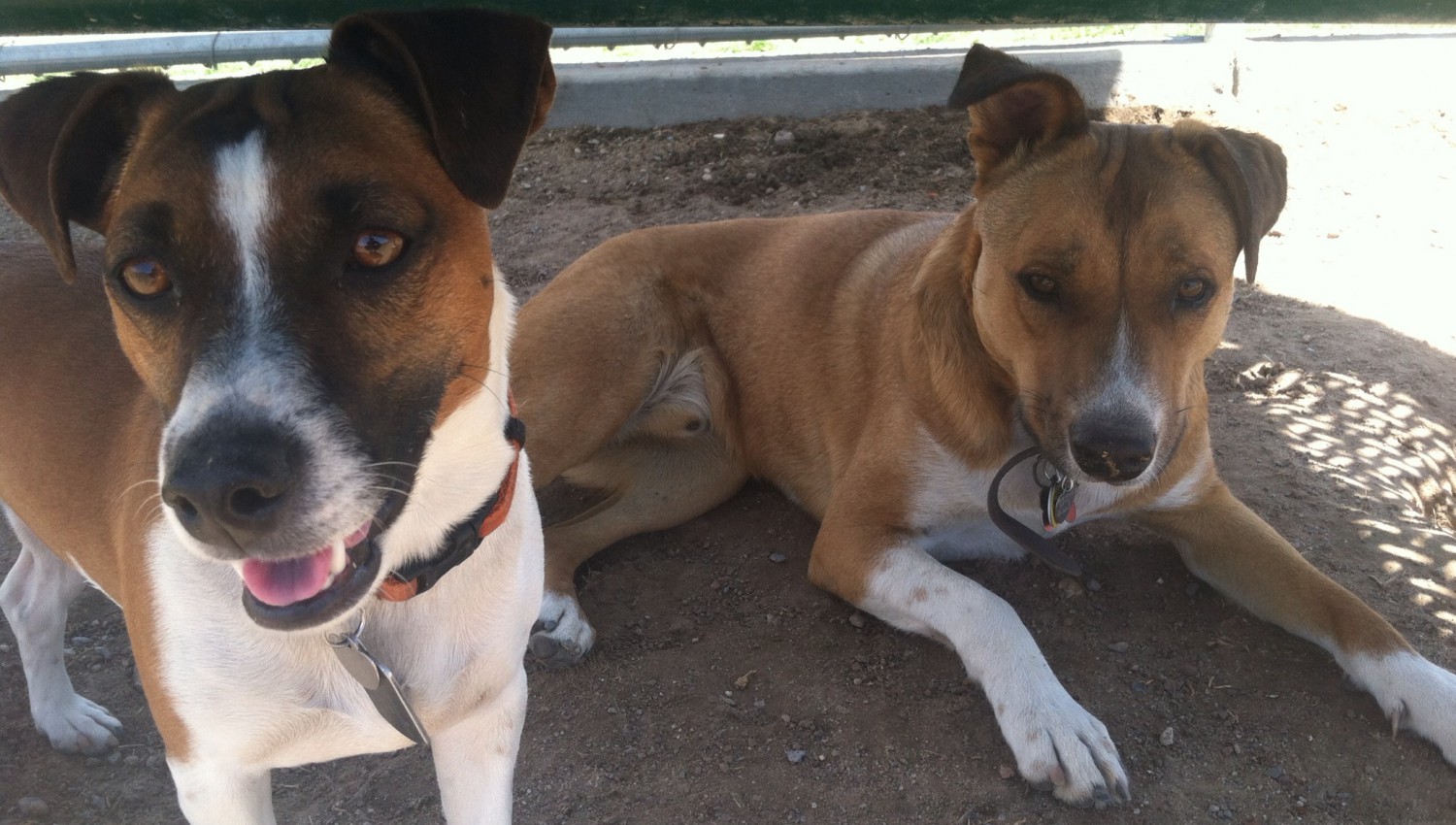
Garlic is touted as a great antimicrobial, dewormer and preventer of fleas and ticks.  I decided to try it out.  Well, actually, I decided something bigger than just supplementing with garlic.  I decided in feeding my Bears real food like a variety of vegetables, fruits, meats and bones.  Along with their evening meals, I include a clove or two of garlic.  Eddie and I changed them over to more of a BARF and raw food diet a few months ago and I have to say, I’ve not seen a tick or flea on them.  I live in OK, and we’ve had a tremendous amount of rain and sometimes we haven’t cut the grass in a timely fashion, so the environment was ripe for these issues.  I check them often and I’ve not see any signs contrary to this.  The ABC Pet Nutrition and Diet program I successfully completed along with Dr. Pitcairn’s expertise touches on the idea that the problem isn’t with eradicating fleas and ticks all together, but rather seeing pets riddled with fleas is more indicative of a pet suffering from suppressed immune system, therefore a pet not living with optimal health. Diets can affect how we behave, our ability to focus, work and relax.  The same, I believe, is true for our pets.

Even though I believe in the power of real food not only for ourselves, but also our furry friends, I also believe in being knowledgeable about issues before a decision is made.  If you’re curious about finding out for yourself, check out Dr. Pitcairn’s Complete Guide to Natural Health for Dogs and Cats.

Dog Food Advisor (a website I often site to clients when we discuss pet foods) came out with pros and cons for feeding garlic: Dog Food Advisor-Garlic.  This website may focus more on the negatives, but its also good to consider.

Finally, Dogs Naturally Magazine discusses the pros of garlic in our pets diet: Dogs Naturally Magazine

I would like to hear from you all about your experiences!

Focus on This, Not That!

Counter conditioning is a useful tool in any trainer’s toolbox.  It is an effective strategy in changing a dog’s negative emotional response towards a trigger.  The aim for change is capturing a reaction which is calmer and relaxed while the trigger is present.  This behavior modification technique can be used in a variety of settings and is supported by a strong training regimen which focuses on obedience cues, particularly the focus cue.

The focus cue seems to be a throw away cue for many clients because many clients unfamiliar with dog training may not initially see the purpose.  In actuality, the focus cue is the foundation of shaping more desirable behaviors on cue.  This is especially important in changing the frustrated default behavior.  The importance of the focus cue is creating space for a dog doing a competing behavior (gazing at the handler) while a stressful trigger is present.  The aim of the competing behavior is in decreasing the stress response because the dog is conditioned to looking at the handler when given the command while a trigger is present.  In addition, the time looking away assists the dog in naturally developing a calmer response when the trigger is present.  This calmer emotional response eventually becomes the default behavior.

How to teach the focus cue with a more insecure dog:

  1. If doing a private in home session, start in the least distracting environment.  Most of the time this is inside the house.
  2. The client will start in front of the dog while the dog is sitting. This will allow the dog an opportunity for learning the behavior and most dogs naturally come to a sit in front of the handler.  If a dog finds another position such as lying down more comfortable, go with the flow!
  3. Once the dog is sitting in front, and looks up to the handler, praise and reward. Once the dog finds the behavior of looking up at the handler a rewarding experience, the behavior will occur quicker.   Capturing the behavior is less threatening for an already skittish or frustrated dog because the dog is deciding on her own to make the eye contact.
  4. At this time, the handler can begin saying focus, look at me or watch me and then praise and reward.
  5. The goal at this point is building the dog’s confidence while teaching obedience.

An insecure dog may show more apprehension when presented with unfamiliar or new stimuli such as unfamiliar dogs, people and environment during a group class.  It may take a session or two for an insecure dog to gain (in gaining) confidence while working on the focus cue.  If a dog in a group class appears to be shut down or completely distracted, invite the client in encouraging the dog to move away from the class until her dog is visibly more comfortable and can manage the eye contact.  Remind the client this is necessary for the dog to be less stressed and is not a failure on the client’s or dog’s end.  This will be a step towards the dog being more confident in a group class.  This will also help build a stronger bond between the handler and dog and the dog will see the handler as responding to her needs.  This will also lay foundation for capturing more appropriate behaviors.

Practicing the Focus Cue When Not in Training

In many clients’ lives, they have major time commitments from work and family obligations.  Clients can set aside time for training a few minutes a day with other daily activities such as getting dinner ready or during commercial breaks or while they are getting ready for bed, to name some examples.  The focus cue can easily be inserted into these already established routines.  For instance, during a commercial break, a client can call the dog over and once the dog sits and looks up at the handler, praise and reward.  The integration of training into a handler’s already busy life will make it a more manageable training experience.

Generalizing the Behavior

Once the focus cue is visibly known by the dog, encourage the handler in increasing distractions.  It may be working in the backyard or on an apartment patio.  The handler then can move slowly into a public setting.  Working on the focus cue in more of a public environment may involve coming across a trigger unexpectedly.  Remember, behavior modification training is only possible when the dog is working under her stress threshold.  If the handler and dog come across a trigger too close and there is a stress response by the dog, encourage the handler in moving the dog away in the opposite direction.  If the dog is too fixated on the trigger, the handler may whistle, give a high pitched voice, or anything that will break that tunnel vision and get the dog more interested in the handler.   The moment, the dog appears relaxed, ask for the focus cue and praise and reward.  Continue practicing the focus cue a few more rounds along with other known behaviors while keeping an eye on the trigger.  Once the trigger moves (or has moved) out of the area, encourage the handler and dog in continuing on the walk.  Now, this is the beginning of blending the focus cue into counter conditioning regimen.

Some great websites and additional reading material which go into more detail on counter conditioning are:

http://www.animalhumanesociety.org/training/counter-conditioning-and-desensitization

http://www.animalhumanesociety.org/training/counter-conditioning-and-desensitization

Behavior Adjustment Training-BAT for Fear, Frustration and Aggression in Dogs by Grisha Stewart M.A. CPDT-KA.  Her book is phenomenal and can truly transform a dog’s emotional response.

Pet Adoptions, Take it Seriously

Adoption ExPETations!

Since I started volunteering with another pet rescue, this blog post was even more relevant. So many people and families excited about adopting a pet, particularly a puppy have not gone through the work of understanding the needs of the dog. Senior dogs are great companions for people who are less active, but are looking for a new best friend!

When pet rescues and shelters adopt out, they FULLY intend on the adoption being a furever home. Please do your part and do your homework before signing the adoption paperwork and handing over your check. A pit/lab mix puppy is more likely to be a high energy dog which requires daily exercise and a structured routine. A 10 year old of the same mix breed, may just be looking for a couch to call home!

For added resource, please check out: http://www.patriciamcconnell.com/store/Love-Has-No-Age-Limit.html

Dr. McConnell is a stalwart in the animal behavior arena!

houndbiz's avatarFour Paws & You Dog Training

Last week,  I met a beautiful mother of two who also has two dogs, a Chihuahua and a  6mo German Shepherd puppy (I’ve changed some of the details in order to keep the family anonymous).  She’s a new client and she’s dedicated in learning about the appropriate care of her two dogs. She has good instincts and her daughter is also involved in creating structure for the dogs, but she wasn’t sure how. She also faces extreme opposition from her husband in caring for her dogs.  I’m not going into details about the conflict surrounding the dog now.  Its a pretty delicate situation, but I will share some thinking I had about adopting a new dog or adopting a dog for the first time.

1. Before actively signing the adoption papers:  Make sure all of the people in the household with whom you share a roof with are on board with having a dog join…

View original post 951 more words